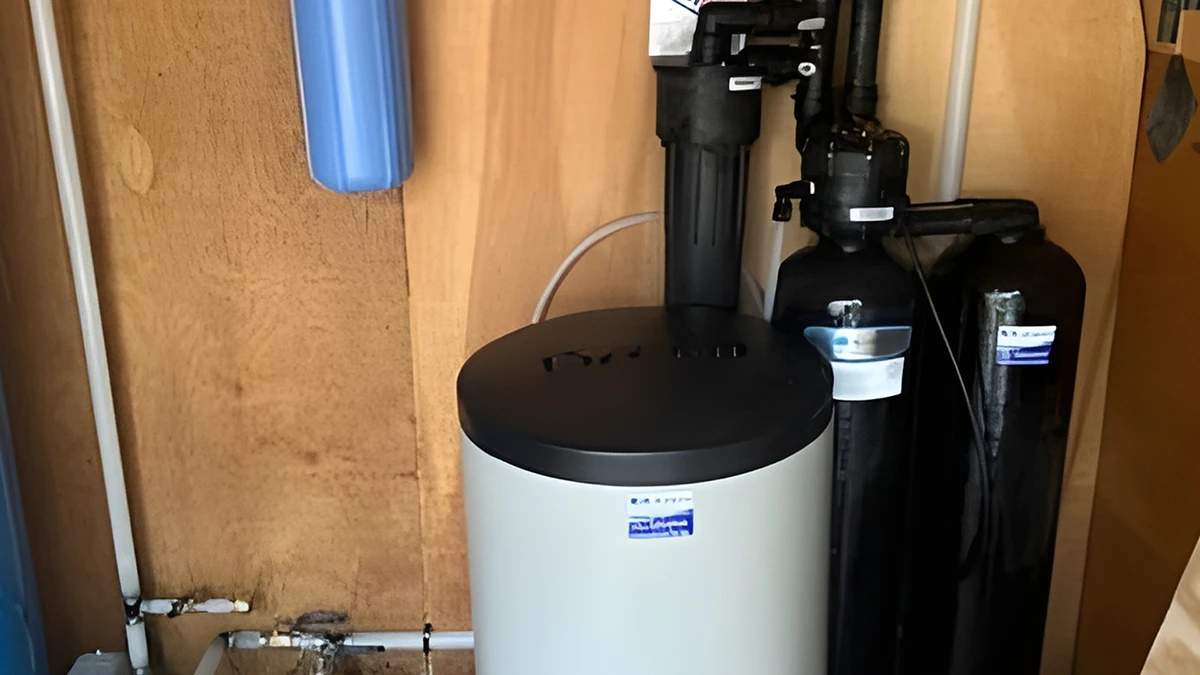
Hard water is especially common in communities throughout Bend, Redmond, Sisters, Prineville, and other parts of Central Oregon, where groundwater often contains higher levels of minerals. Many homeowners in these areas install water softeners to protect their plumbing systems and appliances from mineral buildup.
That’s why many homes in the region rely on our water softener service to protect plumbing systems and appliances. But like any home system, water softeners require regular maintenance and occasional repair. Ignoring early warning signs can lead to bigger problems for your plumbing system and appliances.
In this guide, we’ll explore the most common signs it’s time for water softener repair, why these issues occur, and how homeowners in Central Oregon can protect their water systems with Central Oregon Water Treatment.
Why Water Softeners Matter in Central Oregon
Before diving into repair signs, it’s important to understand why water softeners play such a vital role in homes throughout Central Oregon.
Hard water contains minerals like calcium, magnesium, and sometimes iron. While these minerals are not harmful to drink, they can create serious problems inside your home. Over time, mineral buildup can:
- Clog pipes
- Reduce water pressure
- Damage appliances
- Leave stains on fixtures
- Increase energy and water bills
A properly functioning water softener removes these minerals before they reach your plumbing. Explore our water softeners to see how they protect your pipes, appliances, and water quality in every Central Oregon home.
8 Signs You Need Water Softener Repair
Before your water softener completely stops working, there are usually warning signs that indicate it needs attention. Paying close attention to these symptoms can help you avoid costly issues:
1. Hard Water Signs Start Coming Back
The most obvious sign that you need water softener repair is the return of hard water symptoms throughout your home. If you suddenly notice problems that the softener used to prevent, the system may not be removing minerals effectively anymore.
These issues happen when calcium and magnesium remain in the water supply instead of being filtered out. When your softener stops working properly, these minerals accumulate on surfaces and inside pipes again. For Central Oregon homes, this buildup can happen quickly because local groundwater often contains high mineral content.
2. Your Water Pressure Is Dropping
Another warning sign of water softener issues is reduced water pressure. Hard water minerals can gradually accumulate inside pipes, fixtures, and appliances when the softener stops removing them. This buildup narrows the diameter of pipes and restricts water flow throughout your home.
In some cases, the blockage may actually occur inside the softener itself. Mineral deposits or broken resin beads can clog internal components, reducing water flow through the system. For a closer look at other common causes and effects, you can read our blog on low water pressure in Central Oregon houses.
3. Soap Isn’t Lathering Like It Used to
Soap and detergent performance can reveal a lot about your water quality. In homes with hard water, soap struggles to dissolve and produce foam because minerals interfere with the chemical reaction. As a result, you may notice:
- Shampoo not foaming properly
- Soap leaving residue on skin
- Dish soap requiring more product
- Laundry detergent becoming less effective
Hard water can prevent soap from dissolving completely, leaving behind residue and making cleaning more difficult. If your soap suddenly stops lathering the way it used to, your water softener may no longer be functioning correctly.
You can also check out our guide on how to check water hardness to keep your home protected from hard water damage.
4. Your Appliances Are Not Working as Efficiently
Hard water doesn’t just affect faucets and showers. It also impacts major appliances.
When a softener stops working, minerals can begin accumulating inside water heaters, dishwashers, washing machines, and coffee makers. This buildup forces appliances to work harder and can shorten their lifespan significantly.
You might notice:
- Dishes coming out of the dishwasher with spots
- Clothes feeling stiff after washing
- Appliances running longer cycles
- Increased detergent usage
Hard water can cause scale buildup inside appliances, reducing their efficiency and potentially shortening their lifespan.
Regular maintenance and timely repairs help prevent expensive appliance damage.
5. Strange Noises from Your Water Softener
Water softeners normally make some noise during regeneration cycles, but unusual sounds can signal trouble.
Listen for:
- Grinding sounds
- Loud humming
- Clicking or banging
- Continuous running noises
These noises may indicate worn components, clogged valves, or mechanical strain inside the system.
Ignoring these sounds can lead to complete system failure, so it’s best to schedule a professional inspection as soon as possible.
6. Your Water Has an Odd Taste or Smell
Another common sign of water softener issues is a change in water quality.
If your water suddenly tastes metallic or develops an unusual smell, the system may no longer be removing minerals effectively. Changes in taste or odor can occur when minerals are no longer removed properly or when internal system components malfunction.
In Central Oregon, where well water is common, untreated mineral content can quickly affect water taste and clarity.
7. The System Is Leaking or Has Standing Water
Water pooling around your softener is a clear sign that something is wrong. Leaks can occur due to:
- Cracked tanks
- Loose connections
- Faulty valves
- Worn seals
Even small leaks can cause water damage and reduce system performance over time. If you notice moisture, puddles, or dripping near your unit, you may need our system repair and maintenance service.
8. Your Water Softener Is Over 10–15 Years Old
Like most home appliances, water softeners have a lifespan. Most systems last about 10–15 years depending on usage and maintenance.
Older units may experience:
- Resin bead breakdown
- Mechanical wear
- Inefficient regeneration
- Higher salt consumption
If your system is nearing the end of its lifespan, it may require frequent repairs or replacement.
A professional evaluation from our team at Central Oregon Water Treatment can help determine whether water softener repair or replacement is the better option.
When to Call Central Oregon Water Treatment
If you’re noticing any of these warning signs with your water softener, it’s time to schedule a professional inspection. Our experienced team at Central Oregon Water Treatment specializes in diagnosing and repairing water softeners throughout the Central Oregon region.
With local expertise and professional equipment, our experts can quickly identify the source of the issue and restore your system’s performance.
Conclusion
A properly working water softener protects your plumbing, appliances, and water quality every day. If you notice signs like hard water returning, low water pressure, unusual noises, or increased salt usage, it may be time for water softener repair.
Homeowners across Bend, Redmond, Sisters, and Prineville trust Central Oregon Water Treatment for reliable water softener service. Our experienced team can quickly diagnose issues and restore your system so your home continues to enjoy clean, efficient water. Schedule your free water consultation today.