

If you’re wondering what is filtered water and whether it’s better than regular tap water, you’re not alone. Many homeowners throughout Bend, Prineville, and Central Oregon are looking for ways to improve the taste, smell, and overall quality of their water.
Whether your water comes from a municipal source or a private well, it may contain chlorine, sediment, naturally occurring minerals, or other contaminants that affect its quality. Water filtration systems are designed to help address these issues, providing cleaner, fresher water for drinking, cooking, and everyday use.
In this guide, we’ll explain what filtered water is, its benefits, and how water filtration systems can help improve water quality in Central Oregon homes.
What is Filtered Water?
Filtered water is water that has passed through a filtration system designed to reduce contaminants, sediment, chlorine, and other substances that may affect water quality.
The filtration process varies depending on the type of system used. Some filters are designed to reduce chlorine and improve taste, while others target sediment, iron, sulfur, or other water quality concerns.
How is Filtered Water Different From Tap Water?
Tap water supplied by municipal systems is treated to meet federal and state drinking water standards. However, it may still contain elements that affect taste, odor, and overall water quality.
Depending on your location, tap water may contain:
- Chlorine or chloramines
- Sediment
- Iron or manganese
- Sulfur-related odors
- Naturally occurring minerals
- Other contaminants that affect taste, smell, or appearance
Filtered water receives an additional layer of treatment designed to improve water quality and address specific concerns that may be present in your home’s water supply.
Understanding Water Challenges in Central Oregon
Central Oregon’s unique geology and groundwater sources can create a variety of water quality concerns. Water quality in Central Oregon can vary significantly between municipal systems and private wells, even within the same area.
Some of the most common water quality issues homeowners encounter include:
- Chlorine taste and odor
- Iron and manganese
- Sediment and debris
- Hydrogen sulfide (sulfur odor)
- Nitrates
- Arsenic
- Cloudy or discolored water
Because every water source is different, professional water testing is often the best way to identify the specific issues affecting your home and determine the most effective treatment solution.
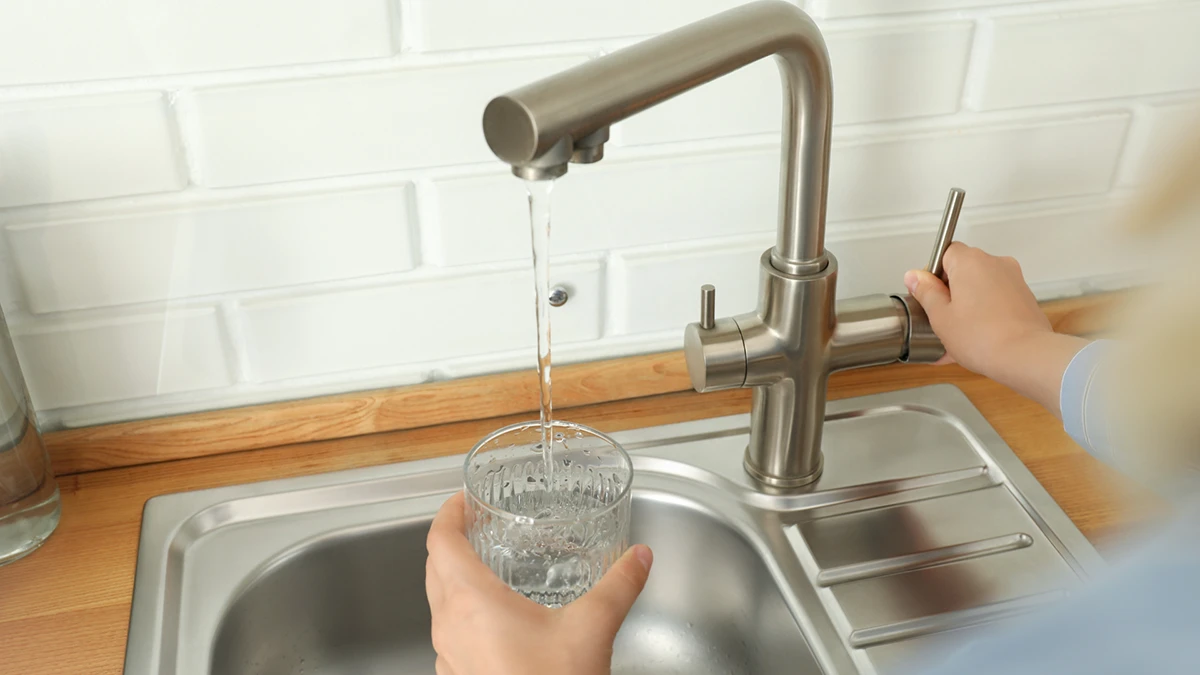
Benefits of Filtered Water
Many homeowners choose water filtration systems because they can improve multiple aspects of everyday water use:
Better-Tasting Water
One of the most noticeable benefits of filtered water is improved taste.
Municipal water systems often use chlorine or chloramines for disinfection. While effective for public health protection, these chemicals can create an unpleasant taste. A whole-house water filtration system can help reduce chlorine levels, resulting in cleaner, fresher-tasting water.
Water with elevated levels of iron, manganese, or other naturally occurring substances may also develop metallic or unpleasant flavors. Specialty filtration systems can help address these issues and improve overall taste.
Reduced Odors
Unpleasant odors are another common reason homeowners invest in water filtration systems.
Hydrogen sulfide gas can create a rotten egg smell in some well water systems, while chlorine may produce a strong chemical odor in municipal water supplies.
Depending on the source of the problem, water filtration and treatment systems can help reduce these odors and improve overall water quality.
Improving Cooking Quality
Water affects the flavor of soups, pasta, rice, coffee, tea, and even baked goods. Poor-quality water can interfere with recipes and alter taste.
Filtered water helps preserve the intended flavor of foods and beverages. For coffee lovers, better water can dramatically improve the quality of their brew.
Reduced Sediment
Sediment, sand, and debris can affect water clarity and create issues throughout the home.
Water filtration systems can help reduce these particles, resulting in cleaner-looking water and improved overall quality.
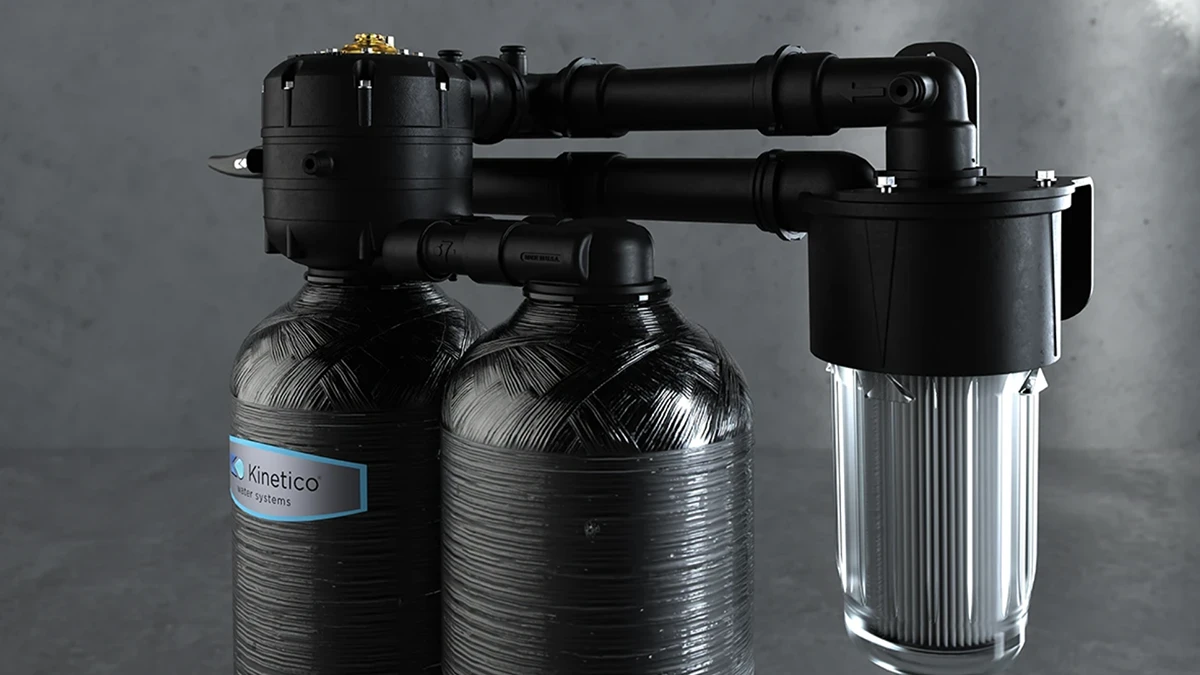
Common Types of Water Filtration Systems
Different water problems require different solutions. That’s why professional water testing and consultation are important before choosing a water treatment system.
Here are some of the most common filtration options available for Central Oregon homes:
Whole-House Water Filtration Systems
Whole-house systems provide filtered water throughout your entire home, improving water quality at every faucet and appliance.
Benefits include:
- Cleaner drinking water
- Better shower water
- Reduced odors
- Less sediment
- Protection for plumbing and appliances
You can also check out our blog on the benefits of water filtration that every homeowner should know.
Point-of-use drinking water systems focus specifically on water used for consumption and cooking.
These systems are often installed:
- Under sinks
- At kitchen faucets
- Near refrigerators
Advanced drinking water systems can help reduce:
- Chlorine
- Sediment
- Heavy metals
- Certain contaminants
- Bad taste and odor
Sediment Filters
Sediment filters remove:
- Dirt
- Sand
- Rust particles
- Debris
Some homes require targeted treatment for specific contaminants such as iron, manganese and sulfur.
Central Oregon Water Treatment specializes in customized solutions for these water challenges common throughout Central Oregon.
If your home has concerns with hard water minerals like calcium and magnesium, that is addressed separately through water softening systems. Many homeowners choose both solutions for complete water treatment coverage.

Signs You May Need Water Filtration
Some water issues are obvious, while others develop slowly over time. Here are common signs your home may benefit from filtration or treatment:
Unpleasant Taste or Smell
If your water tastes metallic, salty, earthy, or smells like sulfur or chlorine, filtration may help improve overall quality.
Chlorine Odors
A strong chlorine smell may indicate that your municipal water supply could benefit from additional filtration.
Sulfur Smells
Rotten egg odors are often associated with hydrogen sulfide in well water systems.
Cloudy or Discolored Water
Sediment, iron, manganese, or other contaminants may affect the appearance of your water.
Visible Sediment
Particles in drinking water may suggest the need for sediment filtration or additional treatment.
Why Choose Central Oregon Water Treatment
When it comes to improving water taste, smell, and overall quality, local expertise makes a difference. At Central Oregon Water Treatment, our expert team provides customized solutions designed specifically for the water conditions found in Central Oregon.
Homeowners choose our expertise for:
- Accurate water testing and assessment
- Customized water treatment system design
- Whole-house water filtration solutions
- Professional installation services
- Ongoing system maintenance and repairs
- Local expertise with well water, municipal water, and rural water systems
Conclusion
Cleaner, better-tasting water can improve your daily routine in countless ways. From reducing unpleasant tastes and odors to improving overall water quality, the right filtration system can help you enjoy more confidence in the water your family uses every day.
Schedule your free water consultation today and discover the benefits of filtered water for your home.