
Guide for Central Oregon Homes
Have you ever filled a glass of water and noticed a swimming pool smell? Or maybe your coffee tastes slightly chemical, your skin feels dry after showering, or your tap water simply doesn’t taste as fresh as you’d like.
If so, chlorine may be the reason. Many homeowners ask, “Do water filters remove chlorine?” The answer depends on the type of water filtration system you have installed. The challenge is that not all filters are designed to do it effectively.
In this guide, we’ll explain how chlorine gets into your water, which filters actually remove it and the most common chlorine-related problems homeowners face.
Why is Chlorine Added to Drinking Water?
Before discussing removal, it’s important to understand why chlorine is present in the first place.
Municipal water systems use chlorine to kill harmful microorganisms, including bacteria and viruses, before water enters the distribution system.
While chlorine is most commonly associated with municipal water systems, some private well owners may also encounter chlorine following shock chlorination or well disinfection treatments.
Chlorine helps:
- Protect public health
- Prevent waterborne diseases
- Keep water safe as it travels through miles of pipes
- Maintain water quality throughout the distribution system
Without disinfection, public water supplies would be far more vulnerable to contamination.
However, once water reaches your home, many homeowners prefer to reduce chlorine levels to improve water quality and comfort.
Chlorine Disinfectant Byproducts (DBPs)
While chlorine plays an important role in keeping public water supplies safe, it can also react with naturally occurring organic matter in water to form disinfection byproducts (DBPs). The most common include trihalomethanes (THMs) and haloacetic acids (HAAs).
These compounds are not added directly, but form during the disinfection process as chlorine breaks down organic material in the water supply. Over time, long-term exposure to elevated levels of certain DBPs has been studied for potential health concerns, which is why they are regulated in public water systems.
DBPs are one of the reasons many homeowners choose additional filtration at the point of use or throughout the home. Systems that use activated carbon or catalytic carbon are commonly recommended because they can help reduce chlorine and associated byproducts.
Side Effects of Chlorine in Your Home
Even when chlorine levels meet drinking water standards, homeowners may notice several side effects:
- Swimming pool-like smell
- Chemical taste in drinking water
- Dry skin after showering
- Hair that feels brittle or dull
- Unpleasant taste in coffee and tea
- Strong odors when running hot water
These concerns are among the most common reasons homeowners invest in water filtration systems.
Do Water Filters Remove Chlorine?
Yes, but not all water filters remove chlorine. Some filters are specifically designed to reduce chlorine, while others only remove sediment and debris.
The effectiveness depends on:
- Filter media
- System design
- Water flow rate
- Filter maintenance
- Contact time with filtration media
This is why some homeowners install a filter and still notice chlorine odors.
What Water Treatment Systems Help Reduce Chlorine?
If chlorine reduction is your goal, several treatment options may help depending on your home’s water quality and treatment needs.
Whole-House Water Filtration Systems
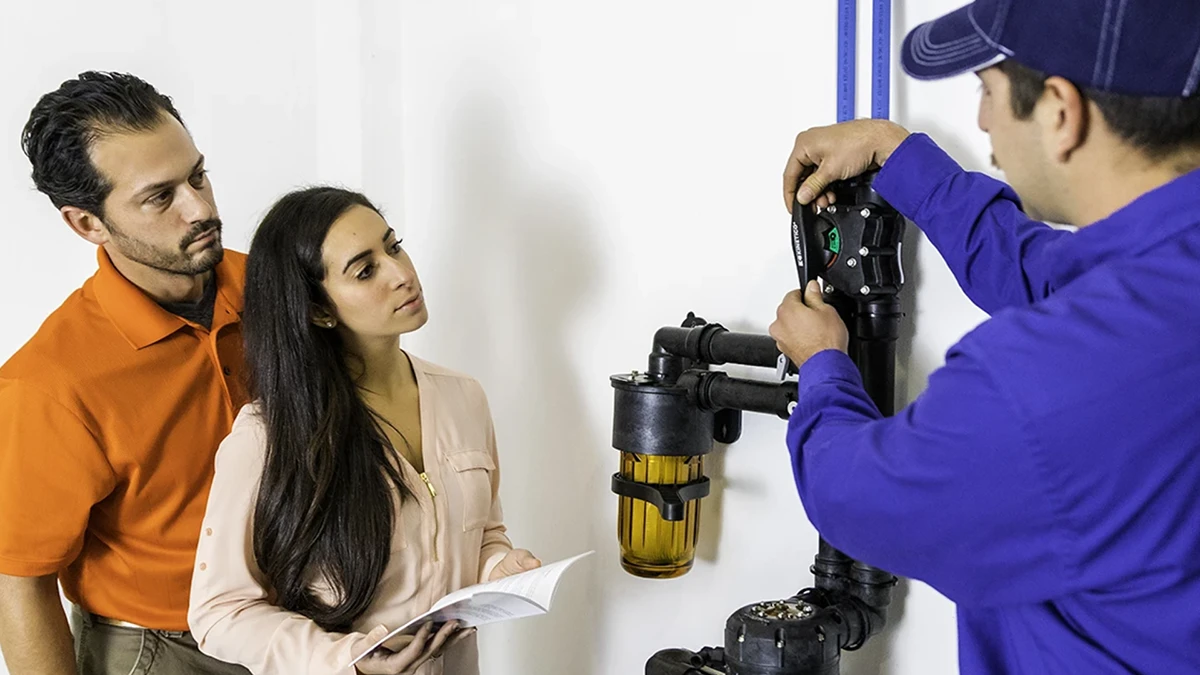
For homeowners who want chlorine reduction throughout the home, a whole-house water filtration system is often one of the most effective solutions.
These systems treat water as it enters the home, helping improve water quality before it reaches your:
- Kitchen faucets
- Bathroom sinks
- Showers
- Washing machine
- Dishwasher
Benefits often include:
- Better tasting water
- Reduced chlorine odors
- Improved shower experience
- Cleaner water throughout the home
Drinking Water Systems
If your primary concern is drinking and cooking water, a drinking water system may be a great solution.
These systems provide an additional level of filtration at a dedicated faucet and can help improve drinking water taste and cooking quality.
Many homeowners choose a drinking water system alongside whole-house filtration for more comprehensive water treatment.
Customized Water Treatment Solutions
Every home’s water is different. Some Central Oregon homeowners are primarily concerned about chlorine, while others may also experience:
- Iron
- Sediment
- Sulfur odors
- Other water quality concerns
That’s why customized water treatment solutions often provide the best long-term results. Water testing helps determine exactly what’s in your water so the right treatment system can be recommended.
Common Chlorine Filtration Problems
Even after installing a filter, some homeowners continue experiencing chlorine-related issues. Here are the most common reasons why:
Problem #1: The Wrong Filter Was Installed
Not all filtration systems are designed for chlorine removal.
Many systems focus primarily on sediment reduction and iron removal. Without activated carbon or catalytic carbon, chlorine may remain in the water.
Problem #2: The Filter Needs Replacement
Carbon filters do not last forever.
Over time, the filtration media becomes exhausted and can no longer effectively remove chlorine.
Common signs include:
- Chlorine smell returning
- Chemical taste coming back
- Reduced water quality
Replacing filters on schedule is critical for maintaining performance.
Problem #3: Only Drinking Water is Being Treated
Many homeowners install an under-sink system and expect chlorine benefits throughout the home.
While drinking water may improve, chlorine remains present in:
- Showers
- Bathroom sinks
- Laundry water
- Dishwashers
This is one reason many homeowners eventually upgrade to whole-house filtration.
Problem #4: Multiple Water Quality Issues Are Present
Chlorine isn’t always the only concern. Many Central Oregon homeowners also deal with iron, sediment, and sulfur odors. When multiple issues exist, addressing only chlorine may not fully solve overall water quality concerns.
Problem #5: The System Was Never Matched to the Water Quality
A filtration system should be selected based on actual water conditions, not assumptions. Without testing, homeowners may invest in a system that doesn’t address the issues present in their water.
6 Easy Solutions for Chlorine Problems
If chlorine taste, odor, or irritation is affecting your home’s water quality, these solutions may help.
Fix #1: Start With Water Testing
Before choosing a filtration system, it’s important to understand exactly what’s in your water. Professional water testing can identify:
- Chlorine levels
- Chloramine presence
- Iron
- Other water quality concerns
Testing helps ensure the solution matches your specific water conditions.
Fix #2: Install a Whole-House Water Filtration System
If chlorine is noticeable throughout your home, a whole-house system may provide the most complete solution.
Benefits can include:
- Better tasting water
- Reduced odors
- Improved shower comfort
- Water treatment at every faucet
Fix #3: Add a Drinking Water System
For homeowners focused on drinking water quality, a dedicated drinking water system can provide an additional level of treatment where it matters most.
This can improve:
- Taste
- Odor
- Beverage quality
- Cooking water
Fix #4: Stay Current With Maintenance
Even the best water treatment system requires routine repair and maintenance. Regular service helps:
- Maintain performance
- Extend equipment lifespan
- Ensure consistent water quality
Fix #5: Upgrade to Catalytic Carbon
Some water providers use chloramine instead of chlorine. While both are disinfectants, chloramine can be more difficult to remove and may require specialized filtration media such as catalytic carbon.
If chlorine odors persist or chloramine is present, upgrading filtration media may improve results. Catalytic carbon often provides better performance than standard carbon in more demanding applications.
Fix #6: Install a Reverse Osmosis Drinking Water System
If you’re concerned about chlorine and other contaminants in your drinking water, a reverse osmosis (RO) system can provide an additional layer of filtration. Reverse osmosis systems use multiple stages of filtration, including carbon filtration and a semi-permeable membrane, to help reduce chlorine-related tastes and odors, dissolved solids, and other impurities.
While whole-home filtration systems address chlorine throughout the house, an RO system can be an excellent option for improving drinking water quality at the tap.
Why Central Oregon Homeowners Choose Professional Water Testing
Water conditions vary significantly throughout Bend, Redmond, Prineville, Sisters, La Pine and surrounding communities. Some homes use municipal water, while others rely on private wells. Because every water source is different, professional testing helps ensure you receive the right solution rather than guessing which filter might work.
At Central Oregon Water Treatment, we help homeowners identify water quality concerns and recommend customized filtration systems designed specifically for local conditions.
Conclusion
So, do water filters remove chlorine? Yes, but only the right filters.
Activated carbon, catalytic carbon, and reverse osmosis systems are among the most effective solutions for reducing chlorine taste, odor, and exposure. However, choosing the right system depends on your water source, treatment goals, and overall water quality.
Contact Central Oregon Water Treatment today to schedule your free water consultation and discover the best chlorine filtration solution for your home.