
Call Today and Save! (541) 330-6721
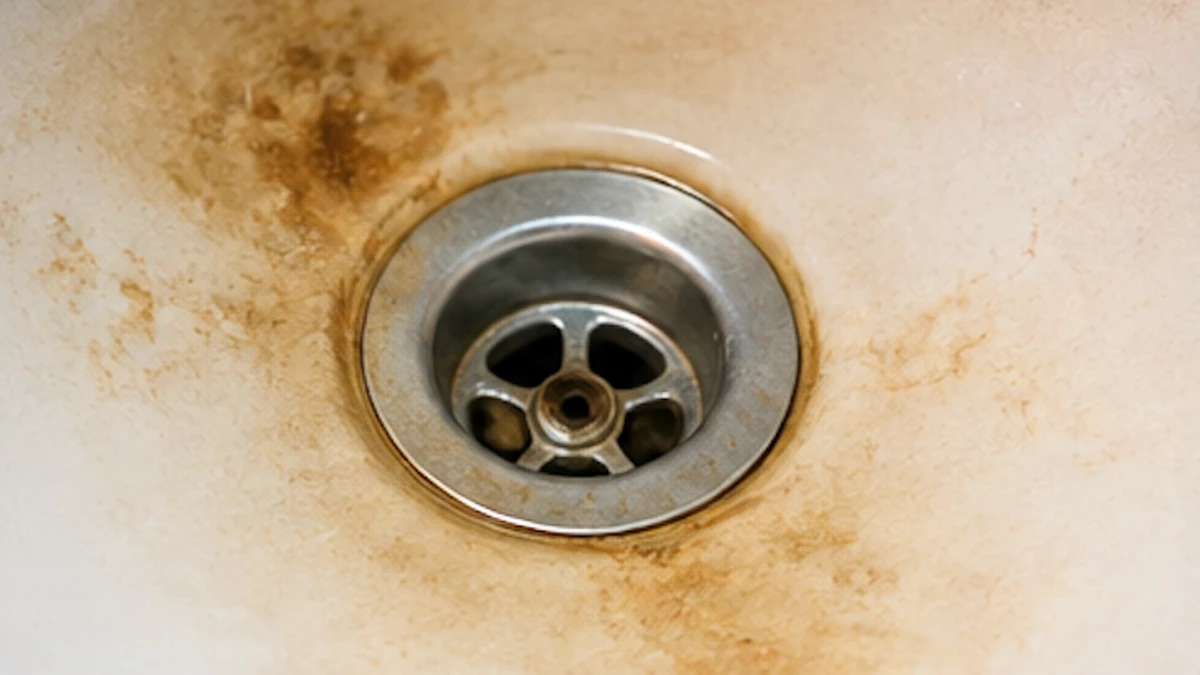
Iron is one of the most common water quality concerns for homeowners throughout Central Oregon, especially those who rely on private wells. While iron is a naturally occurring mineral found in groundwater, excessive levels can create a variety of frustrating problems throughout your home. From orange-brown stains on sinks and tubs to metallic-tasting water and clogged plumbing fixtures, iron in water can affect both the appearance and usability of your water.
At Central Oregon Water Treatment, we help homeowners identify iron-related water problems and recommend customized treatment solutions designed for their specific water conditions.
Call us Today
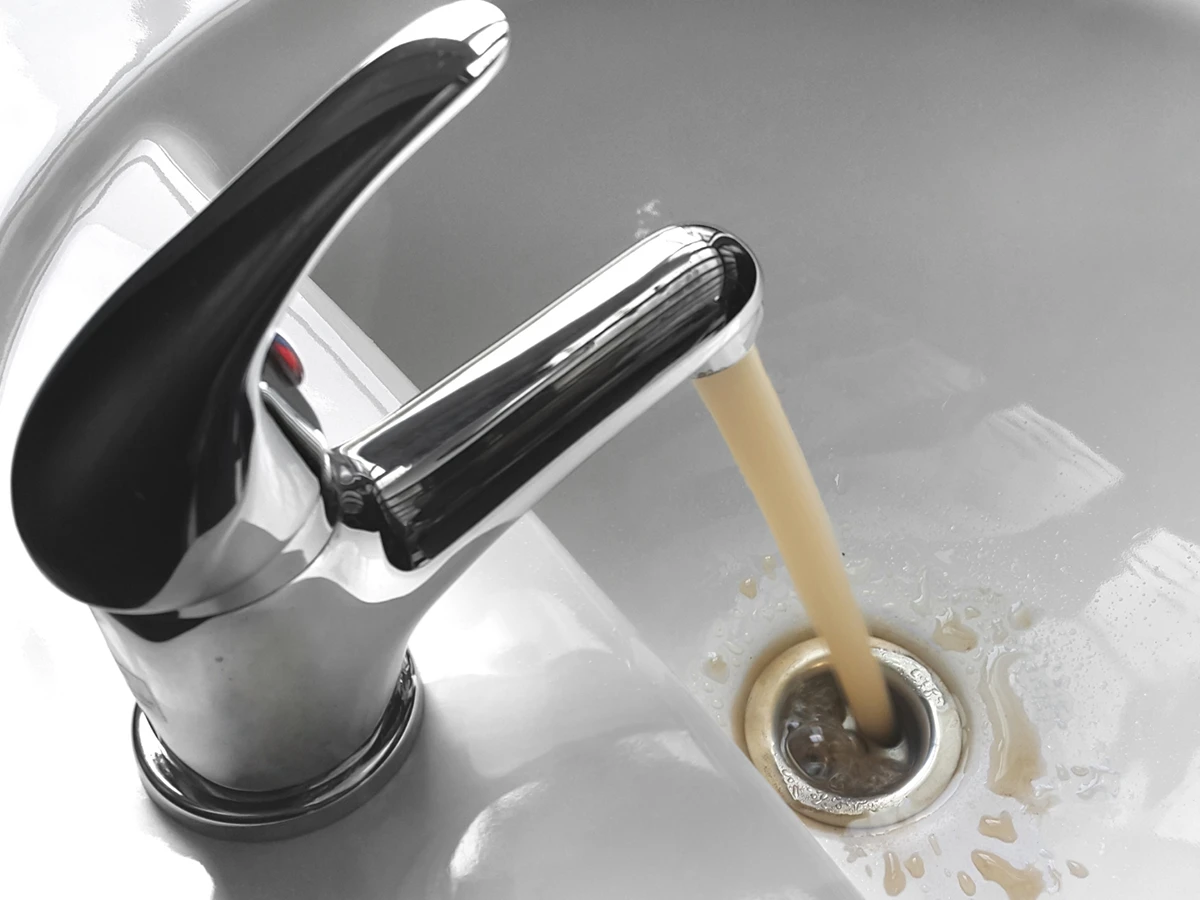
Iron enters groundwater naturally as water moves through underground rock formations, soil, and mineral deposits. As groundwater travels through these iron-rich environments, it can dissolve iron and carry it into private wells and household water supplies.
Iron is especially common in well water because groundwater remains in contact with underground minerals for extended periods. Depending on the geology of the aquifer, some properties may experience significantly higher iron concentrations than neighboring homes.
Several factors can contribute to elevated iron levels in water:
The EPA classifies iron as a secondary drinking water contaminant, meaning it primarily affects water aesthetics rather than posing a direct health risk at typical concentrations found in groundwater.
However, excessive iron in water can create numerous household problems that impact your daily water use and overall water quality.
High iron levels may cause:
While iron itself is not usually considered a significant health concern, the problems it creates throughout a home’s plumbing system can become costly and frustrating over time.

Unlike contaminants such as arsenic, iron often leaves visible clues that homeowners quickly notice. Common signs of iron in water include:
If you’re experiencing any of these issues, professional water testing can help determine whether iron is the source of the problem.
Not all iron behaves the same way in water. Identifying the type of iron present is important when selecting the most effective treatment solution.
Clear Water Iron (Ferrous Iron)
Clear water iron is dissolved in water and may not be visible when water first comes out of the tap. Once exposed to air, the iron oxidizes and can turn the water orange or brown.
Red Water Iron (Ferric Iron)
Ferric iron has already oxidized before reaching your home. This type of iron often appears as visible particles or sediment and can create immediate discoloration.
Iron Bacteria
Iron bacteria do not typically pose a health risk, but they can create slimy buildup inside plumbing systems, clog well components, produce unpleasant odors, and reduce the efficiency of water treatment equipment.
Iron can be found throughout Central Oregon’s groundwater systems, particularly in private wells. Local geology, aquifer conditions, and well construction all play a role in determining whether a property experiences iron-related water issues.
Iron is a common water quality concern for homeowners throughout Prineville and parts of Crook County. Many private well owners experience staining, sediment, and elevated iron concentrations due to naturally occurring groundwater conditions.
Properties throughout Powell Butte, Juniper Canyon, and surrounding rural communities often rely on private wells. Depending on the aquifer serving the property, iron can be a recurring water quality concern.
While municipal water users generally experience fewer iron-related issues, homeowners with private wells in Bend and surrounding areas may encounter varying levels of iron depending on local groundwater conditions.
Groundwater quality varies throughout Redmond. Some well owners experience iron staining and mineral buildup that affects fixtures, plumbing systems, and household appliances.
Many rural properties throughout Sisters and surrounding communities depend on private wells that can contain naturally occurring iron and other minerals. Regular testing helps homeowners understand their water quality and identify treatment needs before problems worsen.
Let’s find out!
Iron is frequently found alongside manganese, another naturally occurring mineral that can cause black or dark brown staining. Testing for both contaminants helps ensure treatment systems are properly designed.
Professional testing can:
At Central Oregon Water Treatment, we provide customized solutions for homeowners dealing with iron-related water problems throughout the region.
Every successful treatment plan starts with accurate water testing. We evaluate your water to identify iron levels, determine the type of iron present, and uncover any additional water quality concerns.
No two water sources are exactly alike. We design treatment solutions based on your water quality results, household water usage, and long-term needs.
Specialized iron filtration systems can effectively reduce iron staining, improve water clarity, and help protect plumbing fixtures and appliances from buildup.
In some situations, water softeners may help address lower levels of dissolved iron while also treating hard water, another common concern throughout Central Oregon.
Ongoing Maintenance and Support
Proper installation and maintenance are essential for long-term performance. Our team provides system inspections, rebedding services, repairs, and ongoing support to help keep your equipment operating efficiently.
We provide iron water testing and treatment solutions throughout Central Oregon, including:
For more than 30 years, Central Oregon Water Treatment has helped homeowners solve challenging water quality problems throughout the region. We understand the unique groundwater conditions that affect private wells across Central Oregon and provide solutions tailored to local water conditions.
Our approach focuses on accurate testing, personalized recommendations, professional installation, and ongoing support. Whether you’re dealing with stubborn rust stains, metallic-tasting water, iron bacteria, or multiple water quality concerns, our team can help you find the right solution for your home.
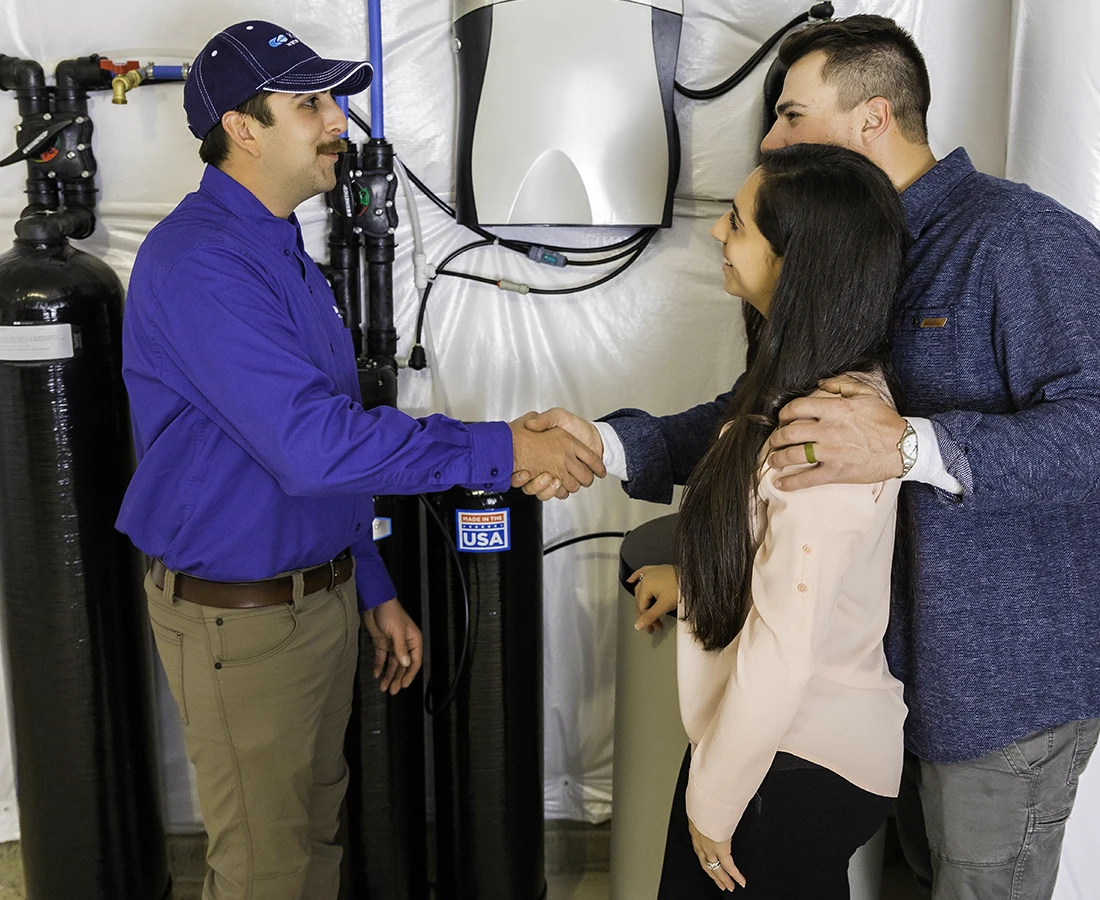




If you’re noticing rust-colored stains, metallic-tasting water, or other signs of iron in your water, professional testing is the first step toward finding a solution. Our team can evaluate your water quality and recommend a system designed specifically for your home and water source.
Iron occurs naturally in many underground aquifers and enters groundwater as water moves through iron-rich rocks and soil. It is especially common in private well systems.
Iron is generally considered a water quality nuisance rather than a significant health concern. However, elevated iron levels can cause persistent staining, metallic-tasting water, buildup in plumbing fixtures, and reduced efficiency of household appliances.
Rust-colored sediment is often a sign of ferric iron, which has already oxidized before entering your home’s plumbing system.
The EPA’s Secondary Maximum Contaminant Level (SMCL) for iron is 0.3 mg/L. Levels above this threshold often cause noticeable staining, taste issues, and plumbing problems.