
Call Greg: (541) 330-6721
Blue-green stains around sinks, tubs, toilets, and drains are commonly associated with copper corrosion in household plumbing. Water chemistry, particularly low pH and other conditions that make water corrosive, can cause copper to dissolve from pipes and leave colored deposits on plumbing fixtures. If your water also looks blue-green or has a metallic taste, testing can help identify the underlying problem.
Central Oregon Water Treatment helps homeowners throughout Central Oregon investigate unusual water quality concerns and determine which treatment options may be appropriate.
Call us Today
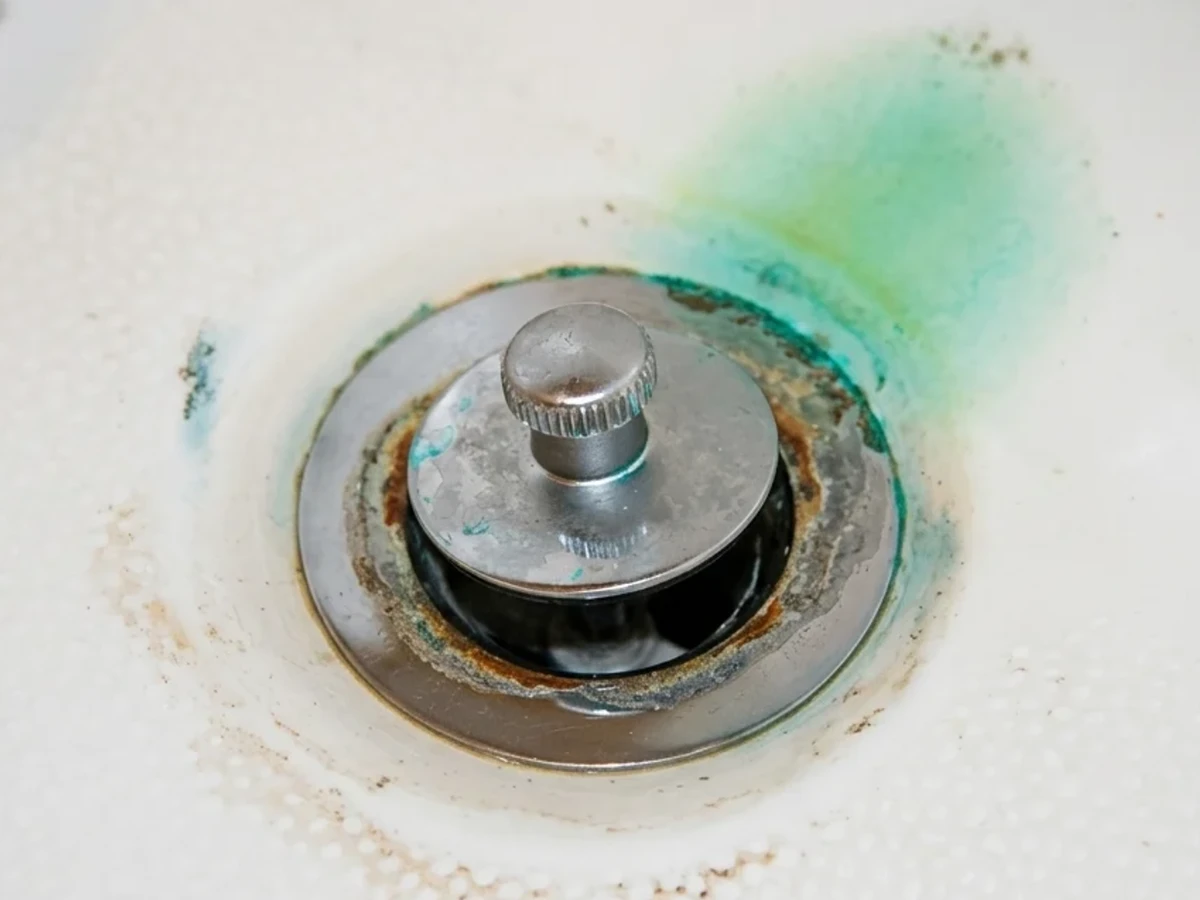
Blue-green stains often develop when copper from household plumbing dissolves into water and deposits onto surfaces. Several water characteristics can contribute to copper corrosion:
These factors can interact, so stain color alone cannot confirm the cause. Water testing can help determine whether copper and corrosive water conditions are contributing to the problem.
Not necessarily. Blue-green staining occurs when deposits accumulate on fixtures, even if the water itself looks clear. Blue-green water refers to visible discoloration coming from a faucet.
Both symptoms can be associated with copper corrosion, but neither proves that copper is responsible. Other water quality or plumbing conditions may cause discoloration. Persistent staining, unusual water color, or a metallic taste warrants further investigation.
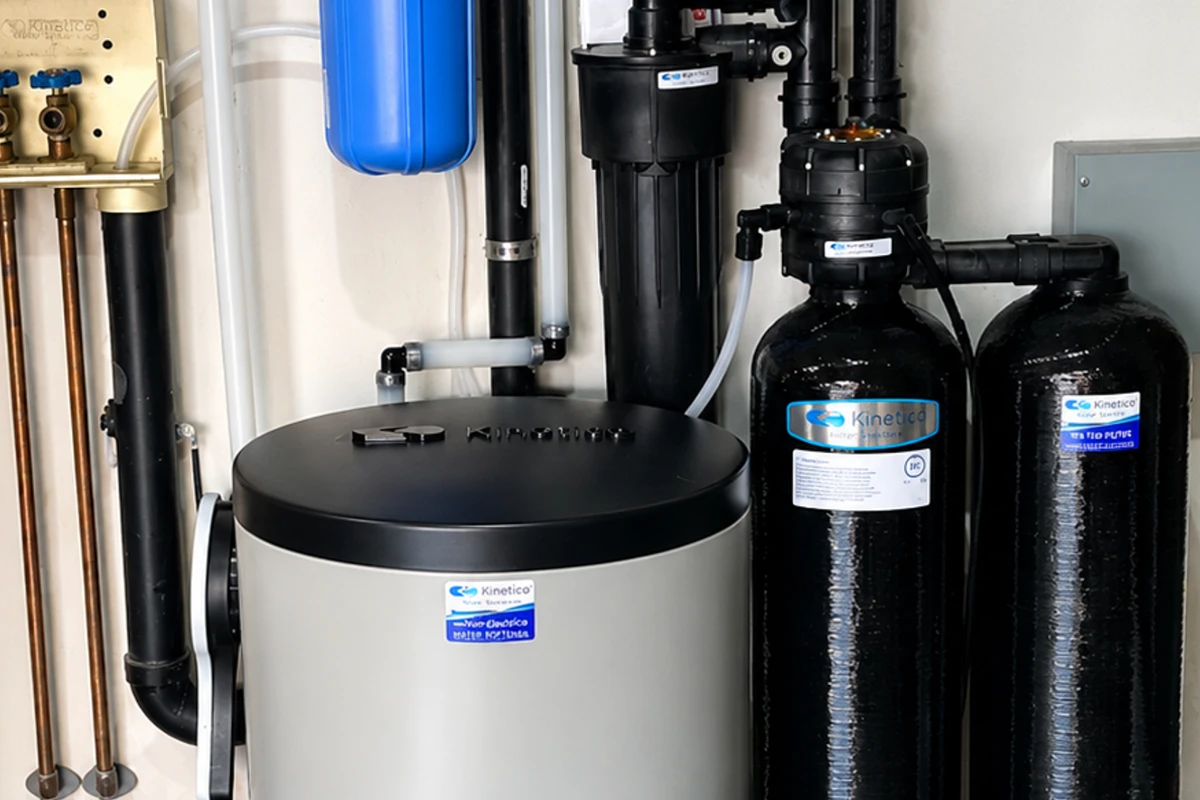
You cannot determine drinking water safety by appearance alone. Blue-green staining may indicate copper in the water, but laboratory testing is needed to measure copper concentrations and evaluate potential concerns.
The U.S. Environmental Protection Agency (EPA) identifies two distinct copper benchmarks:
These numbers serve different purposes. The 1.3 mg/L action level is not a simple health-based pass-or-fail threshold for an individual home’s water sample. Elevated copper exposure can cause gastrointestinal effects and, at sufficiently high exposures, other health problems.
If your water has persistent blue-green discoloration or staining, arrange appropriate water testing. If you suspect elevated copper, consider using an alternative source of drinking water until you receive guidance from a qualified water professional or public health authority.
The most effective first step is to evaluate the water rather than choose a treatment system based on stain color alone.
Depending on your water source and symptoms, testing may include:
For homes supplied by private wells, testing is especially useful because water chemistry can vary from one property to another. Central Oregon’s diverse water sources and mineral conditions mean that similar-looking staining problems may have different underlying causes.
Let’s find out!
The right treatment depends on what testing reveals:
Correcting corrosive water conditions: If low pH or other water chemistry characteristics contribute to copper corrosion, treatment may focus on adjusting the water chemistry to reduce its corrosive effects on plumbing.
Addressing copper in the water: If testing identifies copper, the appropriate solution depends on its source and concentration. In some cases, correcting the conditions that cause copper to enter the water is more appropriate than simply removing it after it has dissolved.
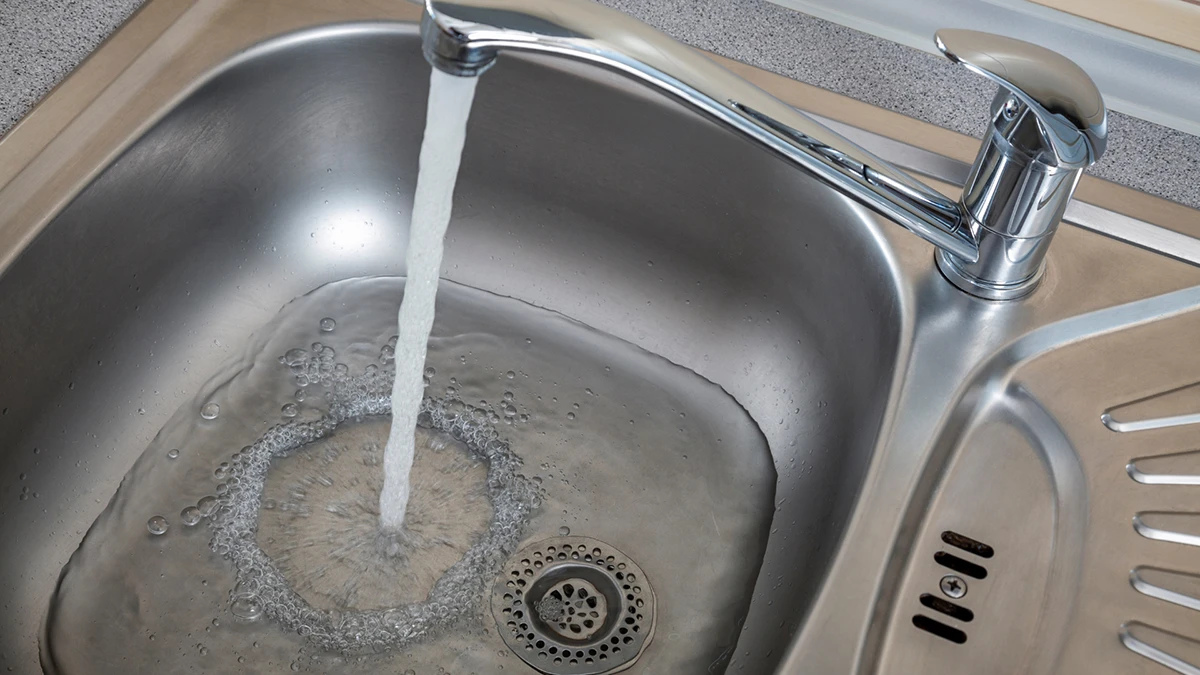
Selecting a suitable water treatment system: Filtration, pH adjustment, or other treatment methods may be appropriate depending on the test results. A water softener alone should not be assumed to resolve copper corrosion, since its primary purpose is to reduce hardness minerals.
Treating the underlying cause can help prevent recurring staining. Existing deposits may still require separate cleaning, and plumbing repairs may be necessary if corrosion has damaged pipes or fittings.
Central Oregon Water Treatment has been helping homeowners address water quality concerns since 1994. Our services include water testing, water treatment system design, whole-house filtration, filtration installation, and ongoing system maintenance.
Whether you’re dealing with blue-green staining or any other water quality concern, we can help you understand what’s in your water and determine what treatment options may be appropriate.







If you’re dealing with blue-green water or staining in your home, Central Oregon Water Treatment can help you understand your water quality and explore treatment options based on your home’s specific needs.
Blue-green stains are commonly associated with copper corrosion in household plumbing. When water interacts with copper pipes and fixtures, copper can dissolve into the water and cause blue or blue-green discoloration and staining. Water chemistry, including pH and other characteristics that affect corrosivity, can influence how readily copper is released.
Copper plumbing is a common source of copper in household water. When water is corrosive, copper can dissolve from pipes and plumbing components, potentially resulting in blue-green staining or discoloration. However, testing is needed to determine whether copper is actually responsible for the symptoms in a particular home.
It can be a warning sign of ongoing corrosion. Persistent copper corrosion can contribute to deterioration of plumbing, including pitting and, in some cases, pinhole leaks. EPA and state health guidance identify blue-green deposits and plumbing leaks as potential signs of corrosive water.
The appropriate testing depends on your home’s water source and symptoms, but testing may include copper, pH, hardness, alkalinity, and other water quality characteristics that can help evaluate corrosion potential. For private well owners, a broader water assessment may also be appropriate based on the home’s specific concerns.