If you live in Central Oregon, you might have noticed chalky spots on dishes, stubborn soap scum, or scale buildup on fixtures. These are classic signs of hard water, and checking your water hardness at home is one of the smartest things you can do.
Hard water is very common across Central Oregon due to the region’s volcanic geology and naturally occurring minerals found in groundwater sources. At Central Oregon Water Treatment, we help homeowners understand their water and choose the right system. So let’s walk through what water hardness is, why it matters, and how to check water hardness at home.
What Is Water Hardness?
Water hardness refers to the amount of dissolved calcium and magnesium minerals in your water. The more of these minerals present, the “harder” the water is. While these minerals aren’t harmful to your health, they affect:
- How well soap and detergent work
- How quickly scale forms in plumbing
- The lifespan and efficiency of appliances
Here’s a commonly used scale:
Hardness Level | ppm / mg/L | gpg |
Soft | 0–60 | 0–1 |
Slightly Hard | 61–120 | 1–3.5 |
Moderately Hard | 121–180 | 3.5–7 |
Hard | 181–250 | 7–10.5 |
Very Hard | >250 | >10.5 |
Hard water levels are typically measured in parts per million (PPM) or milligrams per liter (mg/L) and grains per gallon (gpg). These measurements indicate how much calcium and magnesium are present in your water supply. Parts per million (PPM) and milligrams per liter (mg/L) both measure how much mineral content is dissolved in water, while grains per gallon (gpg) is a common measurement used when sizing water softeners.
Even though municipalities treat your water for safety, many communities, including parts of Central Oregon, have naturally occurring minerals that make water “hard.”

Why It’s Important to Check Water Hardness
Before choosing any treatment solution, it’s important to understand what’s actually coming through your taps. Checking your water hardness helps you catch small issues before they become expensive problems:
1. Protect Your Plumbing and Appliances
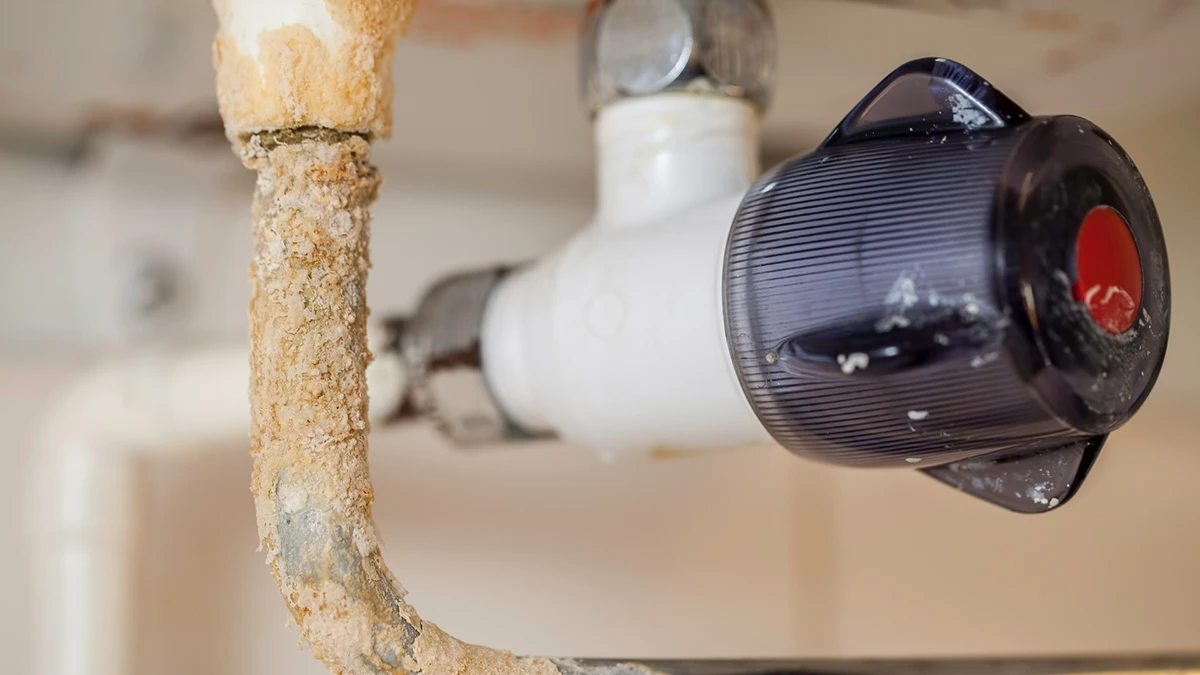
Hard water can cause scale buildup inside pipes, water heaters, dishwashers, and coffee makers. Over time, scale reduces efficiency and increases energy costs, or even leads to premature failure of equipment.
2. Improve Cleaning Performance
Hard water makes it harder for soap and detergent to lather, leaving spots on dishes and residue on skin and fabrics.
3. Choose the Right Water Treatment
Knowing your hardness level helps us recommend the best water softener system for your home (whether you need a standard softener or a point-of-use solution).
How to Check Hardness of Water at Home
There are several ways you can check water hardness. Let’s break them down from easiest to most precise:
1. Soap Bottle Test (Quick and Free)
This is a very simple method that gives you a rough idea of whether you have hard water.
What You Need:
- A clear, clean plastic bottle with a tight cap
- Liquid soap (not detergent)
Steps:
- Fill the bottle about one-third with tap water.
- Add about 10 drops of liquid soap.
- Shake vigorously for about 15 seconds.
- Let it sit and observe.
How to Interpret:
- Lots of suds + clear water = soft water
- Little foam + cloudy water = hard water
This won’t give you an exact measurement, but if you’re noticing scale or residue, this is a quick “sanity check.”
2. Home Test Strips (Affordable and Easy)
One of the most popular ways to test hardness is with test strips that change color based on mineral content.
How It Works:
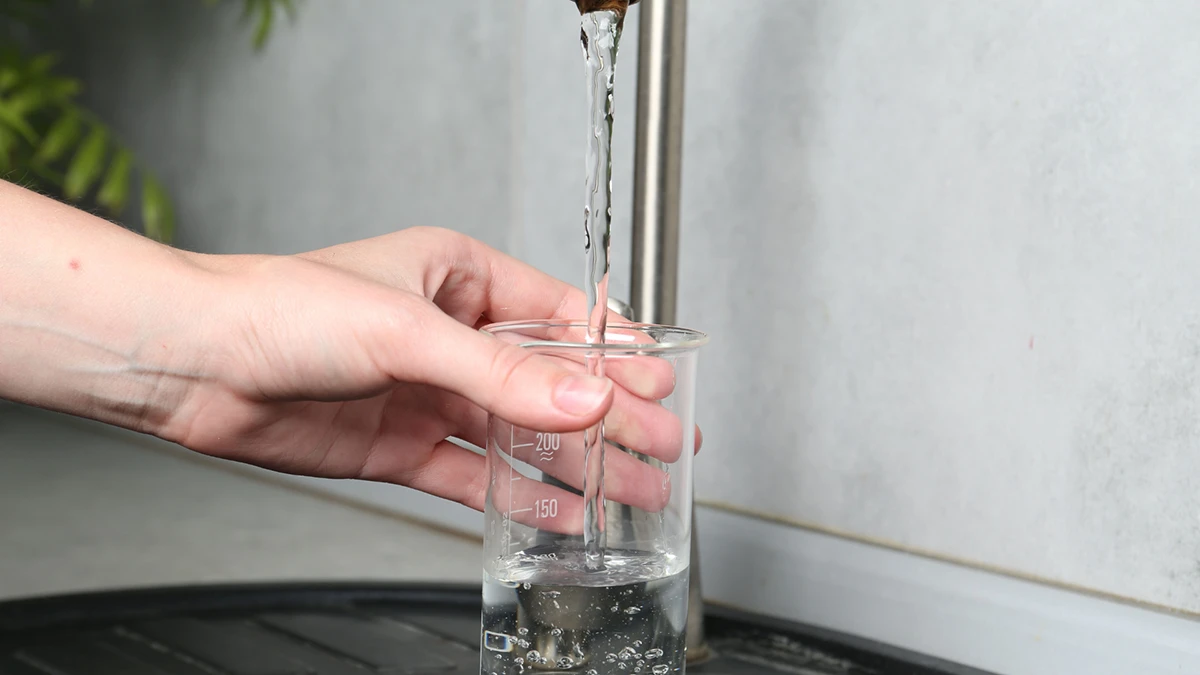
- Run cold water for over 30 seconds to get a fresh sample.
- Dip the strip into a glass of water.
- Wait the recommended time on the kit.
- Compare the color on the strip to the chart provided.
Different kits measure hardness in gpg or ppm/mg/L, just match your result to the chart and you’ll see where your water falls on the hardness scale.
Pros:
- Low cost (~$10–$30)
- Quick results in about 30 seconds
- Good for routine checks
Cons:
- Not as accurate as laboratory or professional water testing
- Often only measures total hardness (doesn’t distinguish calcium vs. magnesium)
3. Digital or Titration Test Kits (Advanced DIY)
If you want more accuracy than strips but don’t want a lab test, consider a digital meter or titration kit.
- Titration kits: You add drops of a reagent to a measured water sample until the color changes. The number of drops tells you the hardness level, often in gpg.
- Digital testers: These devices give a numerical readout and can include Total Dissolved Solids (TDS) measurements as well.
Pros:
- More precise than strips
- Good intermediate option before lab testing
Cons:
- Typically more expensive
- Takes more time and care
4. Check Your Water Utility Report (City Water)
If your home is connected to a municipal supply in larger Central Oregon communities, your water provider may test hardness regularly. Most utilities publish an annual Consumer Confidence Report (CCR) that shows water quality, including hardness when available.
How to Find It:
- Visit your utility’s website
- Search for “water quality report” or “CCR”
- Contact customer service if you can’t find it
This is a great way to get a benchmark number without testing yourself.
5. Get Professional Assistance (Most Accurate)
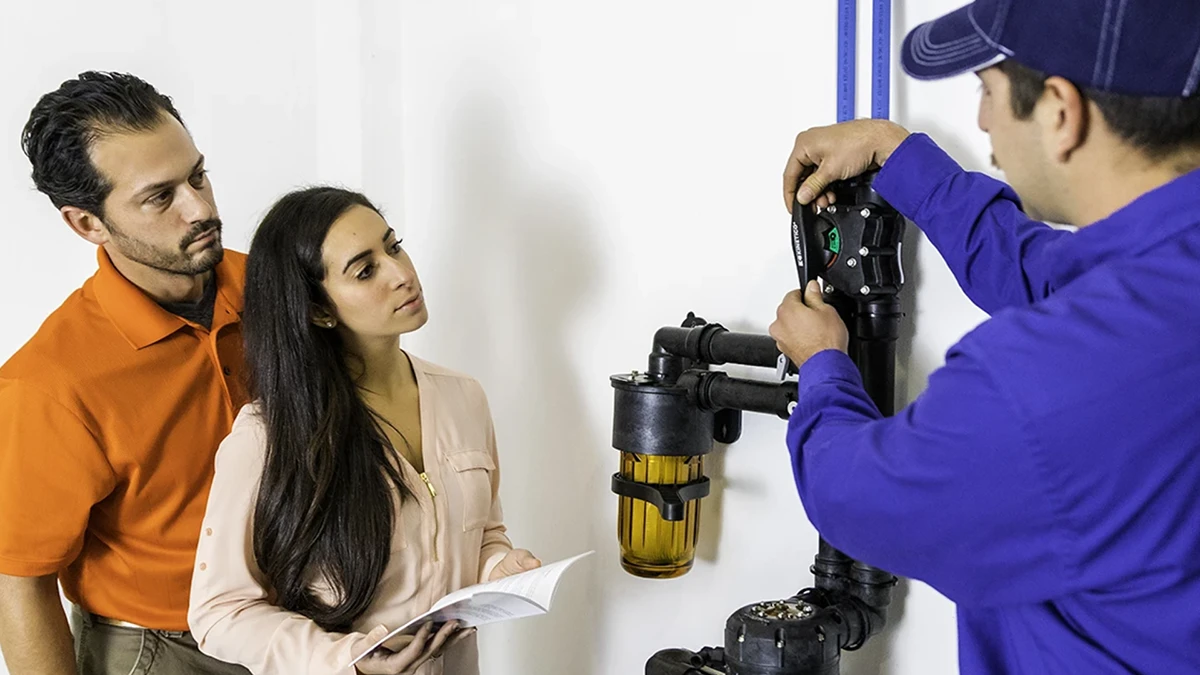
Water mineral levels can vary widely across Central Oregon depending on your location and water source. A professional evaluation helps identify your specific water concerns, review your current setup, and determine whether targeted testing is needed to properly size and configure the right solution.
At Central Oregon Water Treatment, we take a hands-on, customer-focused approach. We assess your home’s water conditions and recommend solutions designed for long-term performance and dependability, no cookie-cutter systems.
Schedule a free water consultation with our team for clear, personalized guidance about your home’s water.
Understanding Your Water Hardness
Once you’ve tested your water, you need context for the numbers:
Measurement | What It Means |
0–60 ppm | Soft water: No treatment usually needed |
61–120 ppm | Slightly hard: Some mild effects |
121–180 ppm | Moderately hard: Scale and soap issues likely |
>180 ppm | Hard / Very hard: Strong buildup, treatment recommended |
Many homes throughout Central Oregon experience moderate to very hard water conditions. Municipal water systems in areas like Bend and Redmond often contain noticeable mineral levels, while private wells can test even higher depending on groundwater conditions.
Because mineral concentrations vary by neighborhood and water source, professional testing helps ensure your treatment system is properly sized for long-term performance.
Signs You Might Have Hard Water
While testing gives you the numbers, your experience tells the story. Common signs include:
- Chalky scale around faucets, shower heads, and fixtures
- Film on dishes after washing
- Soap scum in tubs and sinks
- Fabrics that feel stiff or dull
- Dry skin or brittle hair
- Frequent cleaning needed to remove deposits
If you notice these patterns and your test results show moderate to high hardness, it’s a good indicator that a water softener system could help.

What to Do If You Have Hard Water
Mineral-rich water can quietly damage plumbing, reduce appliance efficiency, and make everyday cleaning harder than it needs to be. The good news is that there are effective ways to manage hardness and protect your home:
1. Install a Water Softener
A properly sized water softener removes calcium and magnesium through ion exchange, preventing scale before it forms inside plumbing and appliances.
At Central Oregon Water Treatment, our water softener services include designing and installing new systems tailored to your home’s water conditions, as well as servicing and optimizing existing systems to improve performance and efficiency. Whether you need a new installation or adjustments to your current setup, we help ensure your system protects your plumbing and appliances year-round.
2. Point-of-Use Solutions
For specific concerns (e.g., drinking water), reverse osmosis (RO) systems or under-sink filters can improve taste and reduce minerals locally.
3. Routine Maintenance
Routine maintenance plays a critical role in protecting your plumbing, appliances, and overall water quality. Hard water minerals don’t stop accumulating on their own, so ongoing care ensures your system continues working efficiently year after year.
We provide water treatment system repair and maintenance services in Central Oregon to ensure your system continues operating efficiently and protects your home from hard water damage year-round.
What Makes Central Oregon Water Treatment Unique
In Central Oregon, water sources vary widely, from municipal systems to private wells. Groundwater in this region often carries higher mineral content, meaning hard water is more common than many residents expect.
If you live in Bend, Redmond, Sisters, or anywhere in Central Oregon, knowing your local water quality helps you make better decisions about water treatment.
We’re deeply familiar with local geology, water trends, and both well and municipal water characteristics. We often help homeowners in Central Oregon identify hardness levels and match them with appropriate solutions that last.
Conclusion
Checking your water hardness at home doesn’t have to be complicated, and it doesn’t have to be expensive. From simple DIY tests to professional lab analysis, there are options for every budget and level of precision.
If your results show moderate to high hardness, we can evaluate your system, recommend the right water softener, and prevent long-term mineral damage before it becomes costly. Schedule your free Central Oregon water consultation today and get clear answers about your home’s water quality.