
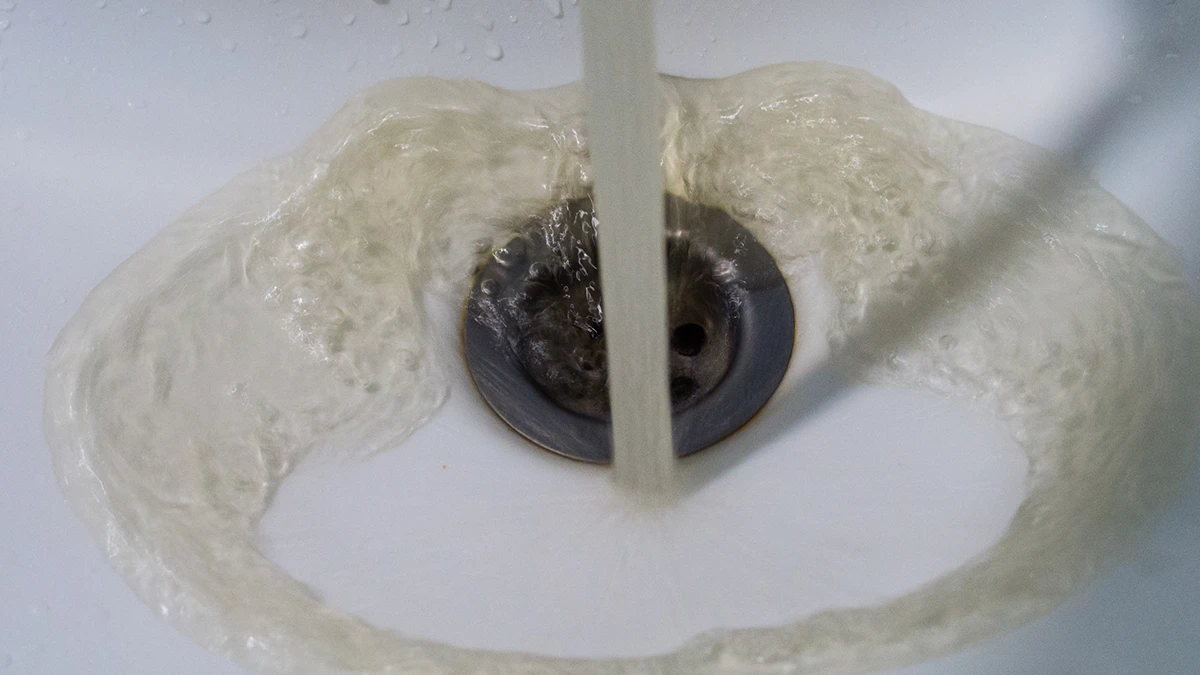
Brown tap water is commonly caused by iron, manganese, sediment, or rust entering your water supply. It can also result from corroded household pipes, well system disturbances, or maintenance on a municipal water system. The color alone cannot tell you exactly what is causing the problem or whether the water is safe to drink.
For Central Oregon homeowners, naturally occurring groundwater minerals and private well conditions may contribute to discoloration. Identifying the source through appropriate water testing and system evaluation is the first step toward finding the right solution.
Is Brown Tap Water Safe to Drink?
Brown water is not automatically dangerous, but you should not assume it is safe based on its appearance. Iron and manganese can cause staining and discoloration, while sediment and corrosion may point to plumbing or water supply problems that need further investigation.
If your tap water is running brown, avoid drinking it or using it to prepare food until you understand the cause. If you receive water from a municipal system, contact your water utility to ask whether maintenance or a water quality issue has been reported. Private well owners should arrange appropriate testing, particularly when the water’s color, taste, or odor changes.
Clear water is not necessarily safe, either. Water testing is important because some contaminants cannot be detected by sight, smell, or taste.
What Causes Tap Water to Turn Brown?
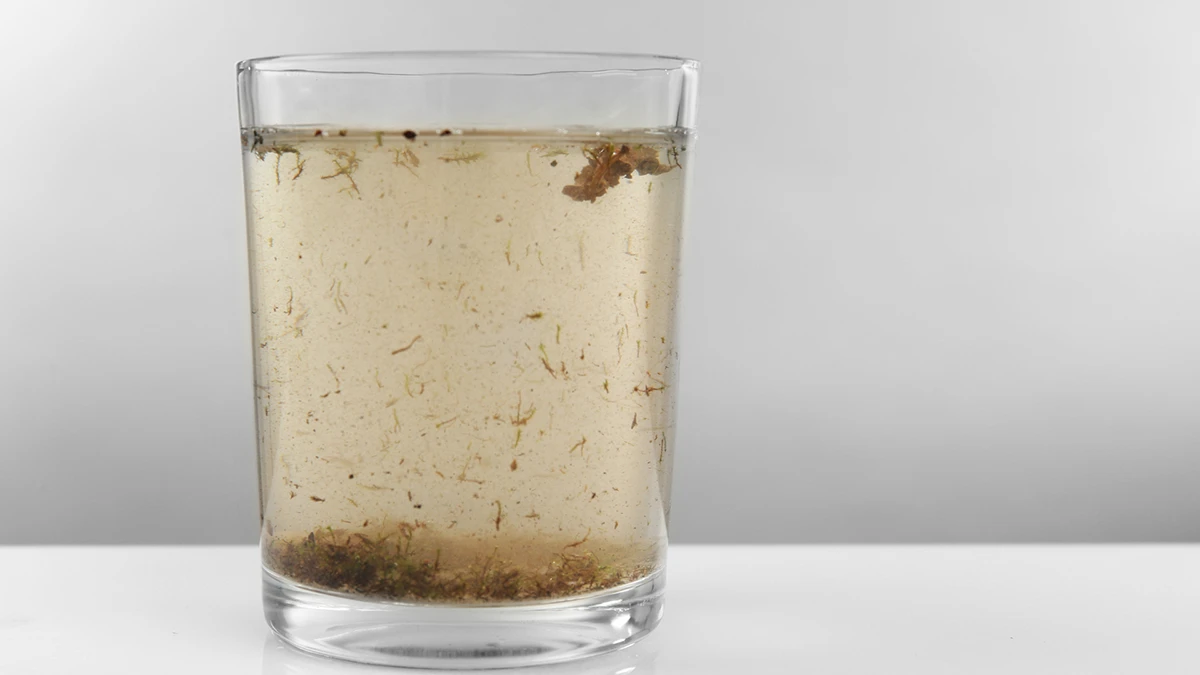
Several issues can make tap water appear brown, reddish, orange, or dark brown. The most likely cause depends on your water source, plumbing, and recent changes in your water system.
Iron
Iron is a common cause of reddish-brown or rust-colored water, particularly in homes supplied by private wells. It can occur naturally in groundwater as water moves through soil and rock. When dissolved iron is exposed to oxygen, it can oxidize and form particles that discolor the water.
Iron may be responsible for brown water, rust-colored stains, and metallic tastes. Learn more about the causes and signs of iron in water in our detailed guide.
Manganese
Manganese is another naturally occurring mineral found in groundwater. It can contribute to dark brown or black staining and cause deposits to accumulate in plumbing and water treatment equipment. Learn more about the causes, signs, and treatment options in our guide to manganese in water.
Iron and manganese can occur together, but they may require different treatment approaches. Water testing helps identify which minerals are present and determine the most appropriate treatment for your home.
Sediment in Water
Sand, silt, clay, and other particles can make water look cloudy or brown. In private well systems, sediment may become more noticeable after pump repairs, well servicing, changes in pumping activity, or shifts in groundwater conditions.
Sediment can also enter municipal distribution systems when maintenance, hydrant flushing, or water main repairs disturb material inside the pipes. If nearby homes experience the same discoloration, the issue may be related to the public water supply rather than your individual plumbing.
Rust From Corroded Pipes
Brown water can originate inside your home. Older metal pipes may corrode over time, allowing rust particles to enter the water. Changes in water flow can loosen accumulated material, causing discoloration that may appear intermittently.
If the problem affects only one faucet, the cause may be localized to that fixture or its connecting pipes. If it occurs throughout the house, the source may be farther upstream. A plumbing inspection can help determine whether repairs or pipe replacement are needed.
Why Did My Water Suddenly Turn Brown?
Water that was clear yesterday but looks brown today may be responding to a change in your water supply or plumbing system.
Common triggers include municipal water main repairs, hydrant flushing, changes in water pressure, well pump servicing, and disturbances that stir up accumulated sediment. A malfunctioning or poorly maintained treatment system may also contribute to discoloration.
A few simple checks can help narrow down the source:
- Check multiple faucets. If only one fixture is affected, the issue may be localized. If several are affected, investigate the incoming supply or household plumbing.
- Compare hot and cold water. If only hot water is brown, the water heater or its plumbing may be contributing to the problem.
- Ask your neighbors. Similar discoloration in nearby homes may indicate an issue with the municipal supply.
- Consider recent maintenance. Think about recent plumbing work, well servicing, water system maintenance, or changes in treatment equipment.
These observations can help guide an investigation, but they cannot confirm that the water is safe or identify every possible contaminant.
How Can You Identify the Cause of Brown Water?
Water testing and a system evaluation can help distinguish between minerals, sediment, corrosion, and other potential causes.
Depending on your water source and symptoms, testing may include iron, manganese, pH, hardness, and other relevant water quality parameters. An inspection may also be needed to evaluate well equipment, household plumbing, or an existing treatment system.
Private well owners should follow Oregon Health Authority guidance for routine testing, including annual testing for bacteria and nitrate. Additional water testing may be appropriate when water quality changes.
What Water Treatment Solutions Help With Brown Water?
The right treatment depends on the cause. Installing a filter without identifying the problem may not resolve it.
- Sediment filtration: Removes particles such as sand, silt, and debris when the system is appropriately selected for the water conditions.
- Iron and manganese treatment: Specialized systems can reduce these minerals when testing confirms they are contributing to discoloration or staining.
- System maintenance and repairs: Well equipment, water heaters, treatment systems, or corroded pipes may require inspection, maintenance, or repair.
A professional evaluation helps determine which solution best fits your home’s water conditions and avoids unnecessary equipment.
Conclusion
If your tap water is running brown, Central Oregon Water Treatment can help identify the cause and recommend solutions tailored to your home’s water conditions. We provide water testing, water treatment system installation, maintenance, and support for homeowners throughout Bend, Redmond, Sisters, Prineville, La Pine, and surrounding Central Oregon communities.
Ready to learn more about your water quality? Schedule a free water consultation to discuss your home’s water concerns with our team.