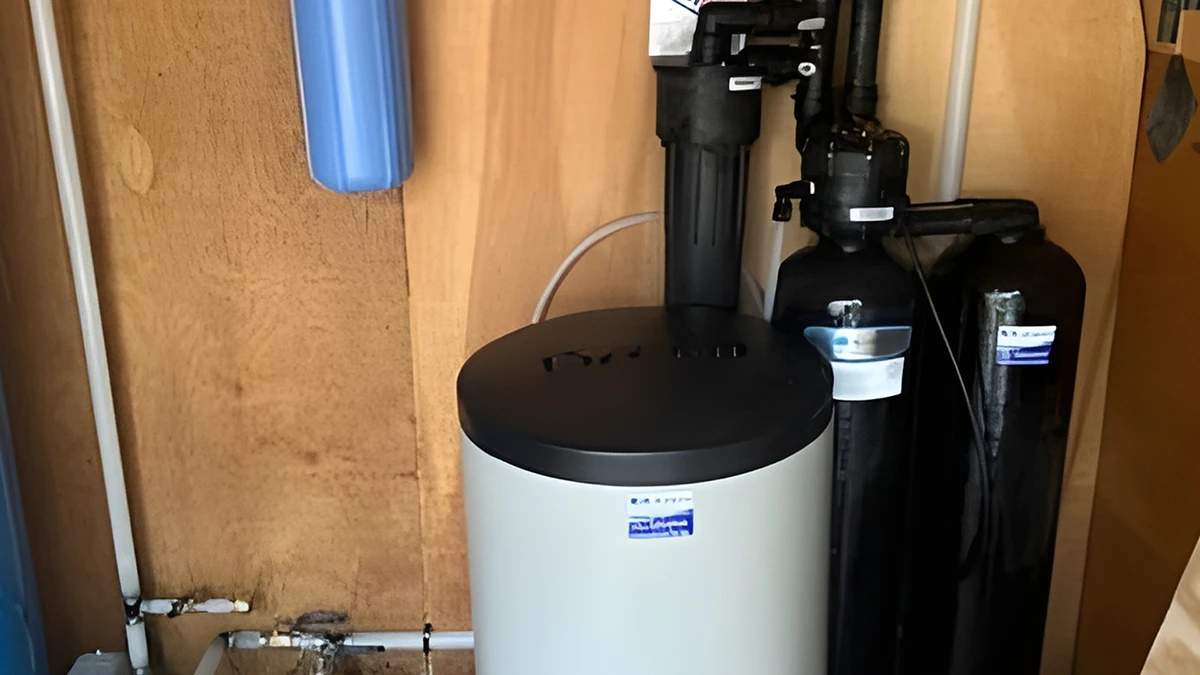
If you’ve noticed rusty stains in your sink, orange streaks in your toilet, or a metallic taste in your drinking water, you’re not alone. Water conditions in Central Oregon vary significantly between Bend, Redmond, Prineville, and surrounding rural areas. Many homes rely on private wells, which often contain naturally higher iron levels and mineral fluctuations throughout the year.
The truth is, while water softeners can help with iron, they are often misunderstood and misused when it comes to iron removal.
In this guide, we’ll break down how water softener iron removal actually works, the most common problems homeowners face, and the easiest, most effective fixes, specifically for homes in Central Oregon.
Does a Water Softener Remove Iron?
A water softener is primarily designed to remove hard water minerals like calcium and magnesium. However, it can remove dissolved (ferrous) iron under certain water chemistry conditions, including some moderate iron levels when properly designed and maintained.
What a Water Softener Can Do:
- Remove dissolved (ferrous) iron under the right water chemistry conditions, including some moderate iron levels when properly designed and maintained.
- Provide limited protection against minor staining in some cases
- Performance depends heavily on water chemistry, iron type, system design, and maintenance. Some softeners with iron-resistant resin can handle moderate ferrous iron levels effectively.
What a Water Softener Cannot Do:
- Remove rust (ferric) iron particles
- Treat iron bacteria
- May struggle with moderate to high iron levels depending on the type of iron, water chemistry, and system design
- Prevent long-term iron buildup without maintenance
A water softener is still an essential part of a complete water treatment system. It effectively removes hard minerals and, when paired with the right pre-treatment, can be part of a reliable solution for homes dealing with iron.

Why Iron Still Shows Up After a Water Softener
If your softener is running but you still see stains or discoloration, one or more of these issues is usually the cause:
- Iron levels are too high for the system to handle
- The wrong type of iron is present
- The system is not set up correctly
- The softener resin is already fouled
Types of Iron (Why Your System May Be Failing)
Not all iron behaves the same way. Understanding this is key to solving the problem:
1. Ferrous Iron (Dissolved Iron)
- Invisible when it comes out of the tap
- Turns orange after exposure to air
- Can be partially removed by softeners
2. Ferric Iron (Rust Iron)
- Visible rust particles
- Causes immediate staining
- Not removable by softeners
3. Iron Bacteria
- Slimy, foul-smelling buildup
- Requires disinfection and specialized treatment (often chlorination or shock treatment)
In many Central Oregon well systems, you’re dealing with a combination, not just one type.
Common Water Softener Iron Removal Problems
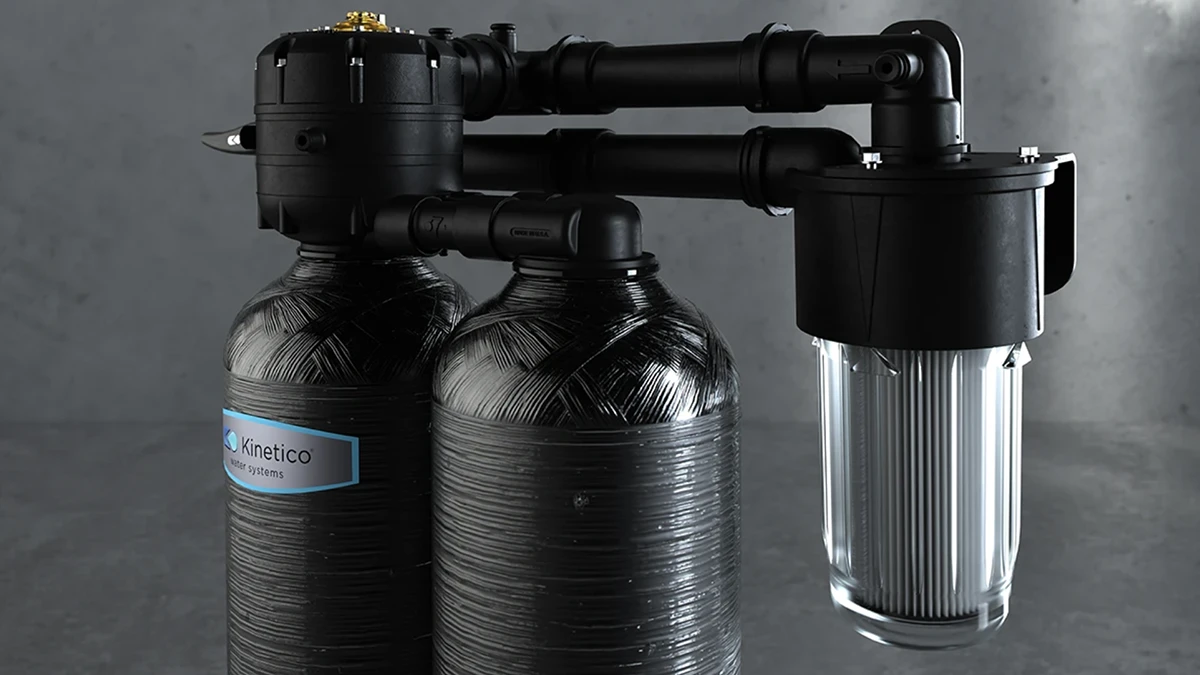
Even though water softeners are great for tackling hard water, they often run into limitations when iron is part of the equation. Here are the most common problems people in Central Oregon experience:
Problem #1: Your Softener Isn’t Designed for Iron
Most standard systems installed in homes across Bend and Redmond are primarily designed for hardness removal, but some systems with specialized resin can also handle moderate levels of ferrous iron. When the system is not properly matched to the water conditions, homeowners may notice:
- Ongoing staining
- Metallic taste in water
- Reduced system performance
Problem #2: Iron Levels Are Too High
When iron levels rise, a standard water softener may begin to struggle, especially if the water contains ferric iron or iron bacteria. However, some systems designed with specialized resin can effectively handle moderate levels of dissolved (ferrous) iron depending on the water chemistry and maintenance schedule.
If iron levels become too high for the system design, excess iron can:
- Damage resin
- Reduce efficiency
- Increase maintenance costs
In these situations, adding a dedicated iron filtration system may help protect the softener and improve overall performance.
Problem #3: Resin Fouling Inside the Softener
Over time, iron can coat the resin beads inside your softener. This causes:
- Reduced softening ability
- Hard water returning
- Increased salt and water usage
Experts note that excessive iron can coat the resin and reduce performance significantly.
Problem #4: Wrong System Setup
A very common issue we see at Central Oregon Water Treatment is incorrect system sequencing.
Incorrect Setup:
Water softener → Iron-heavy water
Correct Setup:
Iron filter → Water softener → Optional carbon filter
This setup ensures iron is removed before water reaches the softener, preventing resin damage.
Problem #5: Lack of Maintenance
Even if your system can handle some iron, it still needs proper care.
Without maintenance:
- Iron builds up inside
- Efficiency drops
- System lifespan shortens
Timely maintenance is key to preventing performance issues. If you’re unsure whether your system is still working efficiently, you can check out our blog that highlights 8 signs it’s time for water softener repair.
6 Easy Water Fixes That Actually Work
If you’re dealing with iron stains, metallic taste, or ongoing buildup even after installing a softener, the good news is that there are practical ways to fix it. Here are the following fixes for common water softener iron problems:
Fix #1: Get Your Water Tested
Before doing anything else, the right approach is to test your water. At Central Oregon Water Treatment, water testing helps determine:
- Iron levels
- Iron type
- pH levels
- Hardness
Fix #2: Install an Iron Filter
If your iron levels are moderate to high, you’ll need a dedicated system.
Iron filters use:
- Oxidation
- Filtration media
Unlike softeners, they are specifically designed to remove iron particles.
Best Setup:
Iron Filter → Water Softener
This:
- Removes iron first
- Protects your softener
- Improves overall water quality
Fix #3: Upgrade Your Softener
If your water contains dissolved (ferrous) iron, upgrading your softener may help improve performance depending on your water chemistry and iron levels. In many cases, properly designed systems can handle moderate levels of ferrous iron with the right maintenance and resin selection.
Options include:
- Fine mesh resin
- High-efficiency systems
- Iron-resistant designs
The right setup depends on factors like iron concentration, pH levels, and the form of iron present in your water. You can check out our water softener service to find the right solution for improving your water quality and protecting your system long term.
Fix #4: Use Resin Cleaners
If your system already has buildup, a resin cleaner can help restore performance.
This helps:
- Remove iron deposits
- Improve efficiency
- Extend lifespan
This is a short-term fix, not a permanent solution.
Fix #5: Increase Regeneration Frequency
More frequent regeneration can help prevent buildup. However, it uses more salt and water and doesn’t solve high iron problems.
Fix #6: Address pH Levels
Water chemistry matters more than most homeowners realize.
Lower pH keeps iron in dissolved form (ferrous), which is easier for softeners to handle. Higher pH encourages oxidation into ferric iron (particles), which requires filtration.
This is especially important in Central Oregon groundwater systems.
When You Need a Complete Treatment System with a Water Softener
In many Central Oregon homes, a water softener alone can handle basic hardness issues, but iron is a different challenge. When levels are higher or the type of iron varies, a softener may need another treatment pairing to fully protect your water quality. Here’s a quick guide to help you determine the right solution:
|
Iron Level |
Typical Recommendation |
|
0–1 ppm |
Softener may be sufficient |
|
1–3 ppm |
Softener with iron-rated resin and maintenance |
|
3–5 ppm |
Depends on water chemistry and iron type; may require iron filtration |
|
5+ ppm |
Iron filtration commonly recommended |
If you’re unsure where your water quality falls, testing is the first step.
Why Homeowners Choose Central Oregon Water Treatment
When it comes to water softener iron removal, local expertise matters. Our expert team at Central Oregon Water Treatment provides:
- Accurate water testing
- Customized system design
- Professional installation
- Ongoing maintenance support
Most importantly, they understand the water challenges in Central Oregon communities, and how to solve them correctly.
Conclusion
A water softener can help remove dissolved (ferrous) iron under the right conditions, and some systems can effectively manage moderate iron levels depending on water chemistry, resin type, and maintenance.
With the right system and professional guidance from Central Oregon Water Treatment, you can achieve cleaner and more reliable water in your home. Schedule your free water consultation today to get the right system for your home.