

If you’re searching for the best whole house water filter for your Central Oregon home, you may be dealing with white scale, orange staining, sediment, unpleasant tastes, odors, or other water quality concerns. The right treatment depends on what’s actually causing the problem.
A whole house water treatment system should be selected based on your water source, water quality, and household needs—not simply the number of filtration stages.
At Central Oregon Water Treatment, we help homeowners in Bend, Redmond, Sisters, Prineville, and surrounding communities find treatment solutions designed around their specific water conditions.
Need help choosing the right system? Schedule a free water consultation with our team.
Do You Need a Whole House Water Filter?
A whole house treatment system may be worth considering if you notice:
- Unpleasant tastes or odors
- White mineral deposits on faucets or showerheads
- Orange, brown, or black staining
- Cloudy or discolored water
- Sediment in sinks, tubs, or toilet tanks
- Poor soap lather
- Frequent buildup on plumbing fixtures
- Dry skin or dull hair after showering
- Reduced water flow from clogged fixtures
These symptoms can have very different causes. Hard water, for example, is generally treated with a water softener, while sediment, chlorine, iron, manganese, sulfur odors, and microbial concerns may require different treatment technologies.
That makes proper water testing an important first step.
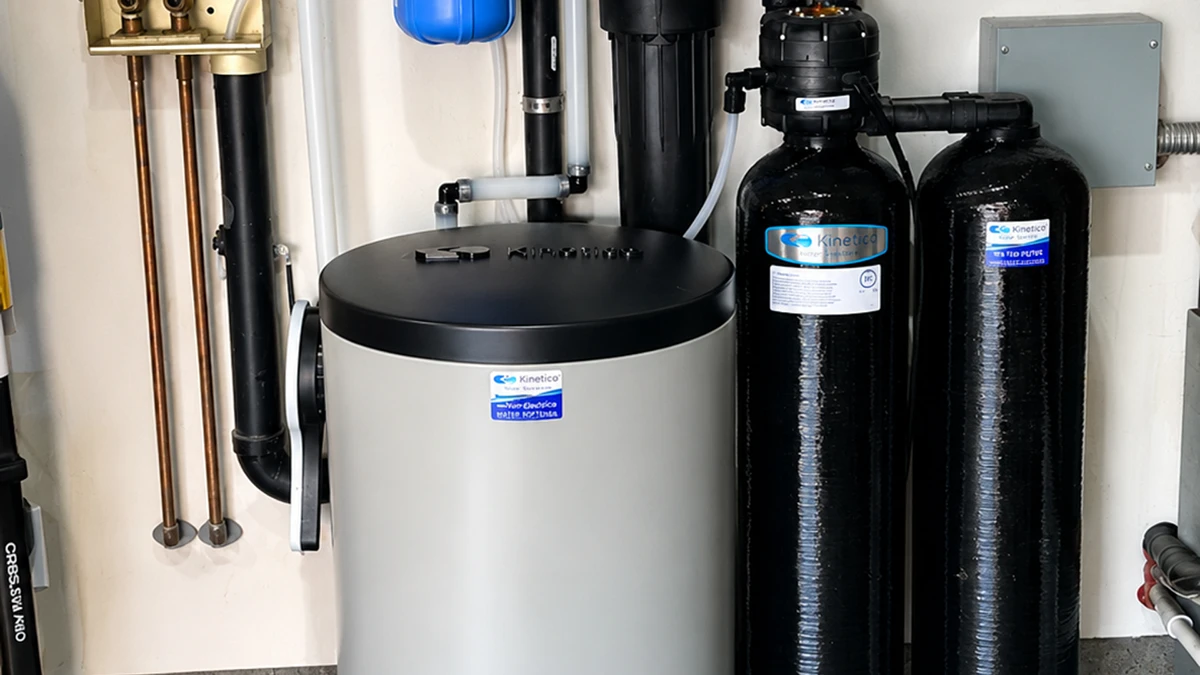
Start With a Water Test
Before choosing a whole house water filter, find out what is actually in your water.
This is especially important for homes with private wells, where homeowners are responsible for monitoring their water quality. Testing can identify concerns such as bacteria, nitrates, metals, hardness, and other contaminants that may not be visible or noticeable by taste or smell.
At Central Oregon Water Treatment, professional water testing can help identify the water quality issues affecting your home and determine which treatment technologies may be appropriate.

Common Water Problems and How They’re Treated
Different water quality concerns require different solutions. Understanding the problem you’re trying to solve can help you avoid investing in equipment that isn’t designed for your water.
Sediment
Sediment can include sand, dirt, silt, rust particles, and other debris. It can be especially common in homes supplied by private wells.
Signs of sediment may include cloudy water, gritty particles, clogged faucet aerators, and reduced water flow.
A sediment filter is commonly installed as the first stage of a whole house treatment system. It captures larger particles and helps protect plumbing, fixtures, and downstream treatment equipment.
Hard Water
Hard water contains elevated levels of calcium and magnesium. These minerals can leave white scale deposits on faucets, showerheads, water heaters, and appliances.
A standard water filter does not remove hardness minerals effectively. Hard water is generally treated with our water softener solutions, which uses ion exchange to reduce calcium and magnesium before the water enters your home’s plumbing.
For many Central Oregon homes, a softener may be combined with filtration to address both hardness and other water quality concerns.
Chlorine Taste and Odor
Municipal water supplies commonly use chlorine for disinfection. While chlorine plays an important role in protecting public water supplies, some homeowners dislike its taste or odor.
Chlorinated water may also leave some people with a feeling of dry skin or hair after bathing.
Activated carbon filtration can help reduce chlorine, improve taste and odor, and provide treated water throughout the home.
Iron
Iron is naturally present in some private well water throughout Central Oregon. Although it may not typically pose a health concern at residential levels, iron can create noticeable orange or brown staining and other household problems.
The appropriate treatment depends on the type and concentration of iron in the water. Depending on the situation, treatment may involve specialized iron filtration, oxidation, backwashing media, or, in some cases, a water softener for lower concentrations of dissolved iron.
Manganese
Manganese can occur alongside iron in groundwater and may contribute to staining and other water quality problems.
Because manganese is not simply a sediment issue, standard sediment filtration may not be enough. Specialized filtration media may be used based on the manganese concentration and the overall chemistry of the water.
Sulfur Odors
If your water smells like rotten eggs, hydrogen sulfide gas is often the cause. This issue is most common in private well water and can make drinking, cooking, and even showering unpleasant.
Fortunately, sulfur odors can usually be treated with the right combination of water treatment technologies. Depending on your water quality, solutions may include oxidation systems, aeration, catalytic carbon filters, or specialized sulfur removal media.
Bacteria and Microorganisms
Microbial contamination can occur in private wells due to groundwater infiltration, flooding, damaged well components, or nearby septic systems.
Unlike staining or odors, bacteria and other microorganisms may not be visible or detectable by taste or smell.
When microbial contamination is identified, UV treatment may be recommended as part of a properly designed water treatment system.

Types of Whole House Water Treatment
The right whole house setup may include one or several types of equipment depending on your water quality.
Sediment Filters
Sediment filters are designed to capture larger particles. They can help:
- Improve water clarity
- Protect plumbing and fixtures
- Prevent clogged aerators
- Protect downstream treatment equipment
They are commonly used as an initial stage in a whole house treatment system.
Activated Carbon Filters
Carbon filtration is one of the most versatile water treatment technologies available. Carbon filters are commonly used to reduce:
- Chlorine
- Taste issues
- Odors
- Certain organic compounds
For homes on municipal water, carbon filtration is often one of the most valuable upgrades.
Water Softeners
Technically, a water softener is not a filter. However, it is often installed alongside whole house filtration systems. Water softeners can help:
- Reduce scale buildup
- Improve soap performance
- Protect water heaters
- Extend appliance life
For many Central Oregon homes, a water softener is an essential part of a complete treatment solution.
Backwashing Media Filters
These systems use specialized filtration media to target specific contaminants. Applications include:
- Iron removal
- Manganese removal
- Sulfur reduction
Backwashing filters automatically clean themselves through periodic regeneration cycles.
UV Water Treatment Systems
UV systems use ultraviolet light to provide microbial disinfection when additional protection is needed.
They do not remove sediment, hardness, or other minerals, so they are generally used alongside other treatment equipment rather than as a standalone solution.