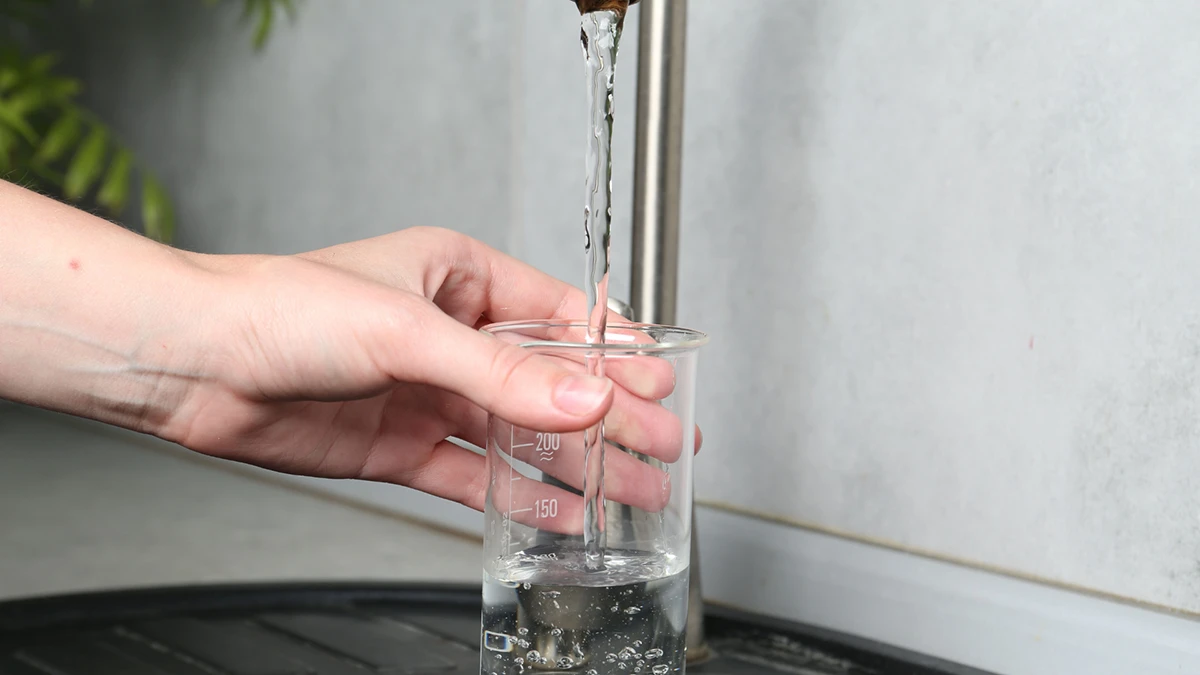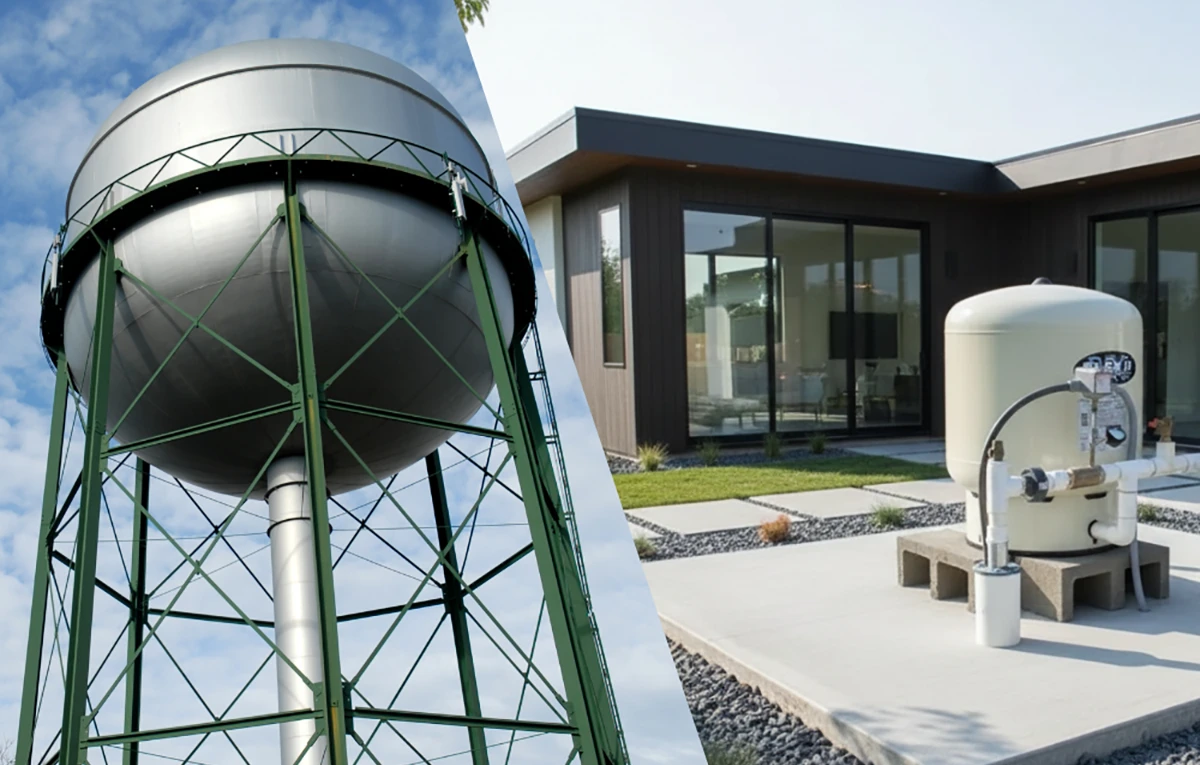
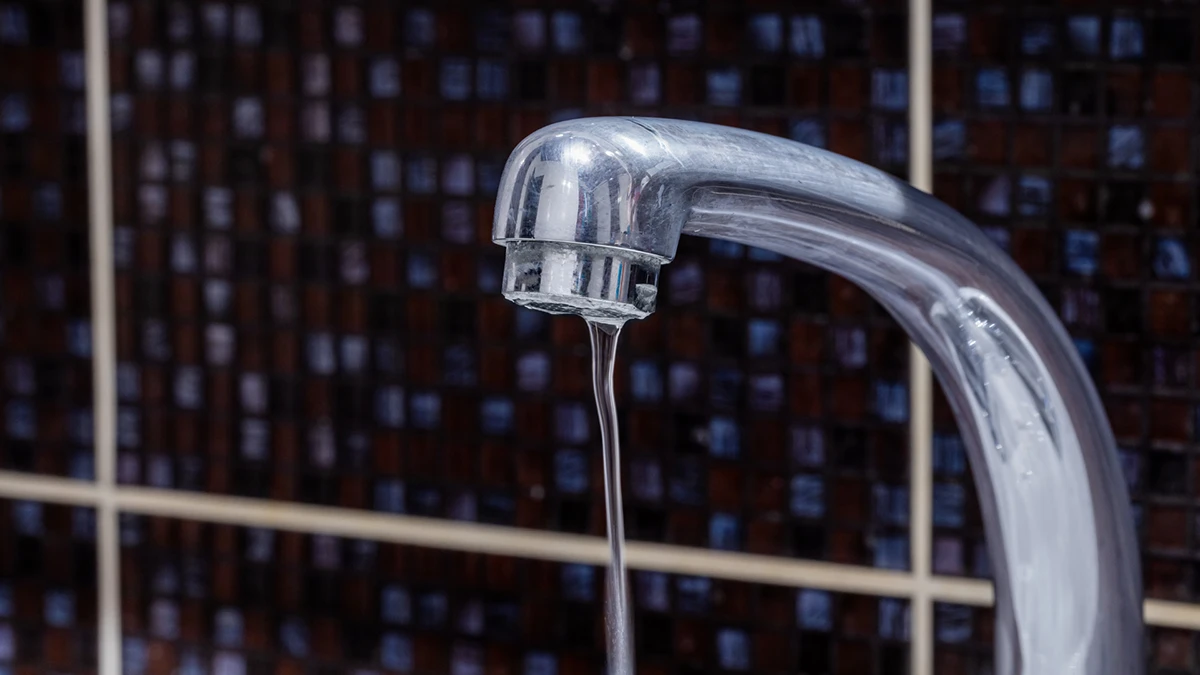
Low water pressure in house is more than just an inconvenience, it can affect everything from daily showers to appliance performance. If you’ve ever turned on the faucet expecting a steady stream, only to be met with a weak trickle, you’re not alone. Many Central Oregon homeowners experience low water pressure at some point, and the cause isn’t always obvious.
In many cases, it can be diagnosed, and often fixed, once you understand what’s causing it. In this guide, we’ll break down the most common reasons for low water pressure, what you can check yourself, and when it’s time to call in professionals in Oregon.
What Is Considered Low Water Pressure?
Before diving into causes, it helps to understand what “low” actually means.
Most homes function best with water pressure between 40 and 60 PSI (pounds per square inch).
- Below 40 PSI: You may notice slow-filling sinks, weak showers, or appliances that don’t perform properly.
- Above 60 PSI: Pressure is too high and can damage pipes and fixtures.
If your home consistently feels underpowered, chances are your water pressure has dropped below the optimal range.

Signs of Low Water Pressure In House Plumbing
Low water pressure in the house doesn’t always show up the same way. Common signs include:
- Weak or sputtering faucets
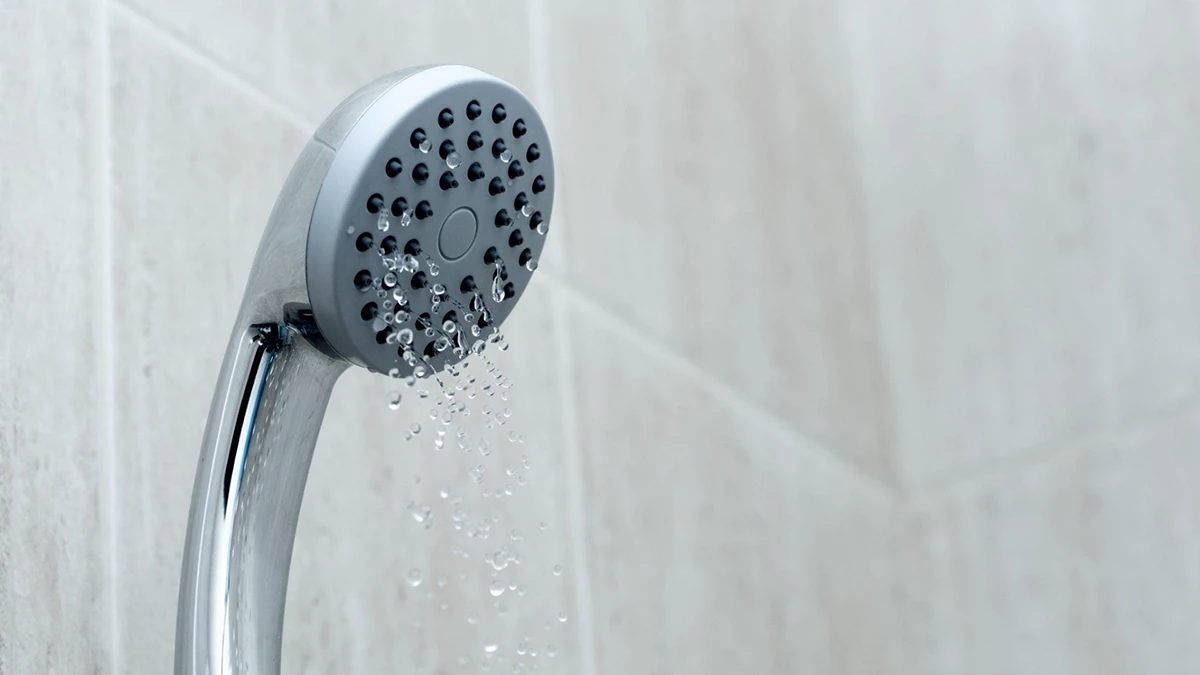
- Showers that lack force or fluctuate in pressure
- Washing machines taking longer to fill
- Sprinkler systems that don’t cover their full range
- Appliances underperforming or displaying error codes
- Pressure drops when multiple fixtures are used at once
If one or more of these sound familiar, it’s time to investigate.
Common Causes of Low Water Pressure In House Plumbing
In Central Oregon, low water pressure can be linked to what’s in your water. Below are the most frequent causes water treatment professionals diagnose:
1. Mineral Buildup From Hard Water
Hard water is a major issue for many Central Oregon homeowners. Minerals like calcium and magnesium naturally occur in local groundwater and municipal supplies.
How it affects pressure:
- Narrows pipe diameter
- Restricts water flow
- Causes uneven pressure throughout the house
You may notice pressure slowly worsening rather than dropping suddenly.
How to fix it:
- Evaluate mineral content and hardness levels
- Recommend or adjust whole house water softeners
- Restore proper flow by addressing buildup at the system level
2. Sediment Accumulation in Water Lines
Sediment is a common issue for Central Oregon homes, especially those on well water or older municipal infrastructure.
Signs include:
- Reduced pressure at multiple fixtures
- Discolored water
- Frequent filter clogging
How to fix it:
- Installing or upgrading sediment filtration
- Proper filter sizing for household demand
- Preventing debris from entering the system in the first place
3. Home Water Pressure Regulator Problems
Many homes have a pressure-reducing valve (PRV) that keeps water pressure within a safe range. When it fails, pressure may drop suddenly or fluctuate.
Signs of a faulty PRV:
- Sudden drop in pressure throughout the house
- Pressure changes without warning
- Inconsistent flow
How to fix it:
- Have pressure professionally tested
- Replace the regulator if malfunctioning
4. Municipal Water Supply Issues
Sometimes the issue isn’t inside your home at all.
Possible external causes:
- City maintenance or repairs
- High demand during peak hours
- Seasonal pressure fluctuations
How to confirm:
- Ask neighbors if they’re experiencing similar issues
- Contact your local water utility
If pressure drops only at certain times of day, municipal supply may be the cause.
5. Water Filtration System Issues
Whole house filtration systems are beneficial, but if not properly maintained, they can restrict flow.
Common issues include:
- Clogged filters
- Incorrect system sizing
- Delayed filter replacement
How to fix it:
- Replace filters on schedule
- Ensure systems are sized correctly for household demand
If you suspect your filtration system may be affecting your water pressure, you can check out our water filtration services to learn more about professional system evaluations, maintenance, and upgrades.
6. Increased Household Water Demand
When multiple fixtures run simultaneously, pressure drops can indicate system flow limitations, not plumbing failure.
Water treatment professionals may recommend:
- Higher-flow filtration systems
- Optimized softener sizing
- Pressure-balanced treatment layouts
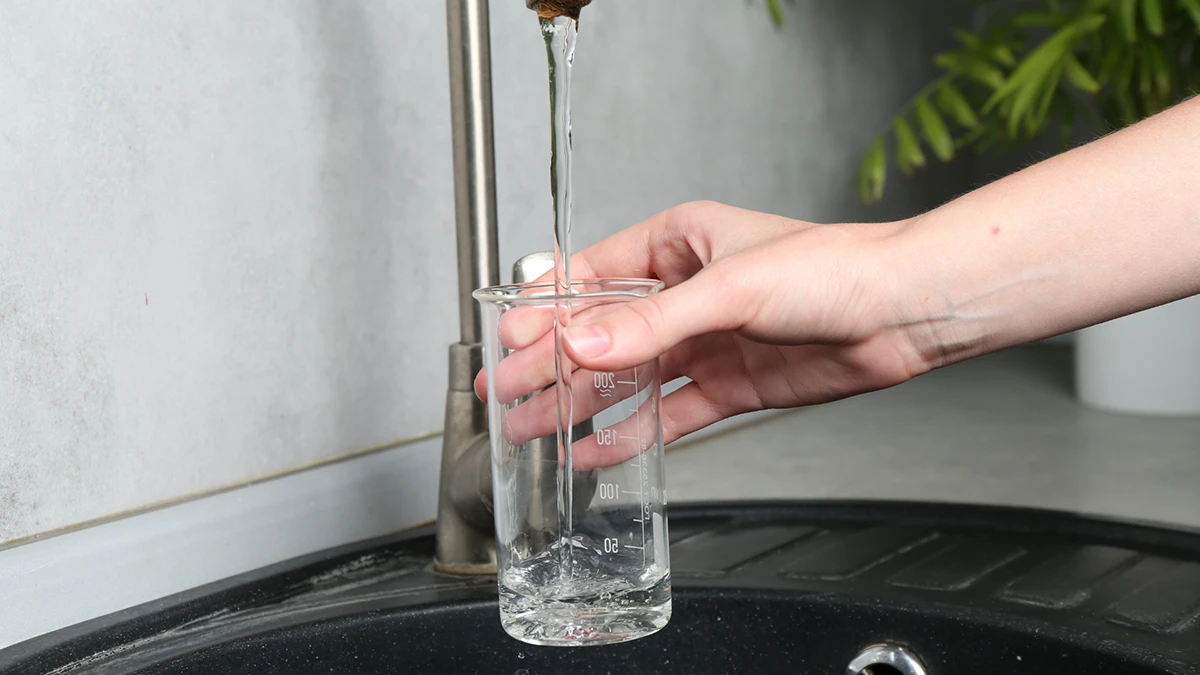
Troubleshooting Checklist for Low Water Pressure
Plumbers fix leaks and broken pipes, but water treatment professionals diagnose why pressure is being lost in the first place.
In Central Oregon, most pressure issues stem from:
- Hard water mineral buildup
- Sediment-heavy supply
- Undersized or poorly maintained treatment systems
A water treatment professional focuses on:
- Water chemistry and quality
- Flow rate optimization
- Long-term system protection
If pressure problems persist despite fixture replacements or plumbing work, the underlying water issue has likely gone unaddressed.
When to Call A Water Treatment Professional
A water treatment professional focuses on diagnosing water quality and system performance issues that affect pressure, such as mineral buildup, sediment, or undersized filtration systems.
While plumbers handle pipe repairs and leaks, water treatment specialists address the root water-related causes that often lead to low pressure in Central Oregon homes. You should call a water treatment professional if:
- Pressure drops suddenly throughout the house
- You suspect hard water damage
- Filtration systems affect flow
- Pressure issues persist despite troubleshooting
If your water pressure problems are tied to filtration performance or mineral buildup, you can explore our whole house water filtration service to see how professional evaluation and proper system sizing can restore consistent flow.
Preventing Low Water Pressure In House Plumbing
Prevention is always easier, and less expensive than repair. Here are some of the best practices you can use:
- Regular system evaluations
- On-time filter replacement
- Proper system sizing from the start
- Treating hard water before scaling occurs
- Monitoring pressure trends, not just sudden drops
Conclusion
Low water pressure in house plumbing can stem from a wide range of causes, including mineral buildup, clogged fixtures, and municipal supply issues. While some problems can be resolved with simple in-house fixes, others require professional water treatment expertise to avoid long-term damage.
If your pressure loss is tied to hard water or mineral accumulation, our system rebedding service can help restore proper water flow and extend the life of your treatment system.