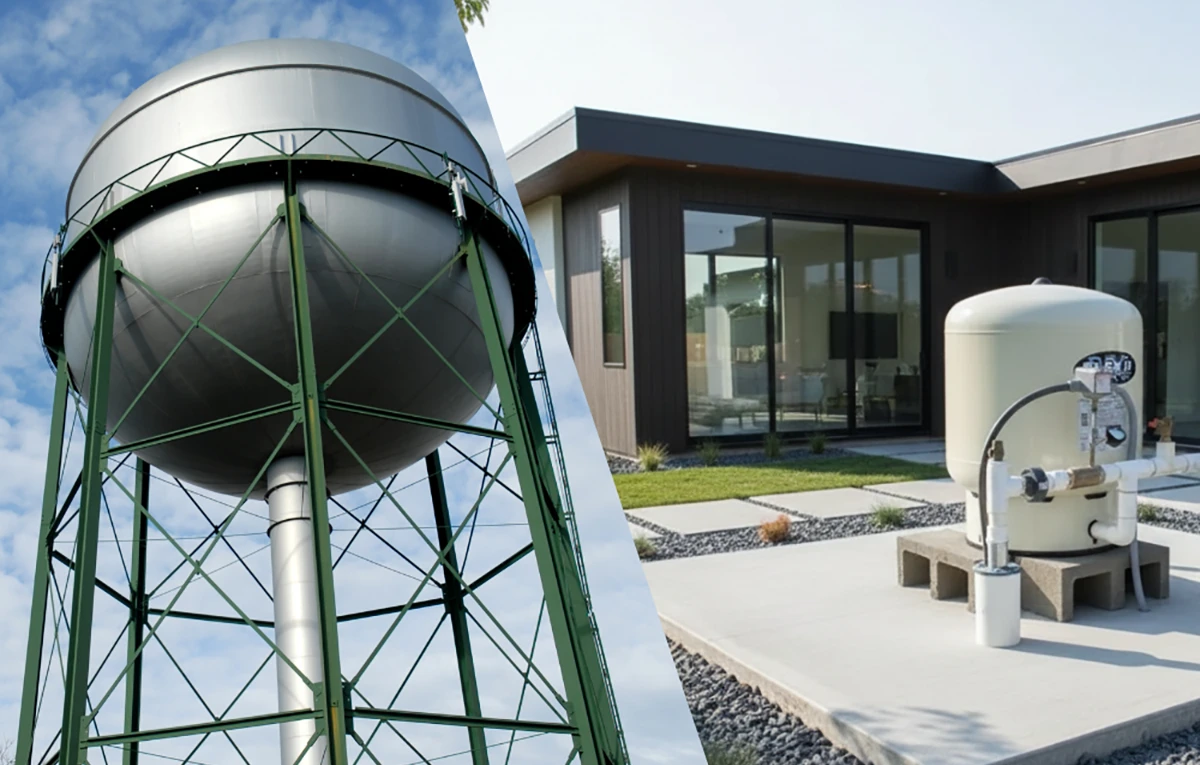
Water is an essential part of life, but not all water sources or quality are the same. Homeowners in Bend, Redmond, and Sisters may rely on municipal water systems, while many rural properties throughout Deschutes and Jefferson County depend on private wells tapping into deep volcanic aquifers.
Understanding the differences between well water and city water is essential for protecting your home, plumbing, and family’s health, especially in a region shaped by basalt geology, seasonal drought, and expanding rural development.
In this guide, we’ll explain how well water vs. city water affect water quality, maintenance, and treatment needs in Central Oregon.
What is Well Water and City Water?
Well water comes from underground aquifers accessed by a private well. In Central Oregon, many wells are deep drilled wells that draw from volcanic aquifers beneath layers of basalt rock. Because well water is not treated by a municipality, homeowners are responsible for testing, treatment, and maintenance.
Since untreated well water can naturally contain minerals, bacteria, or sediment, many Central Oregon homeowners rely on professional well water testing, filtration systems, water softeners, or well shock treatment to keep their water safe and usable.
City water, also known as municipal water, is supplied by a centralized system operated by a local water utility. In communities like Bend, Redmond, Sisters and Prineville, municipal water typically comes from a mix of surface water and groundwater sources and is treated before reaching homes.
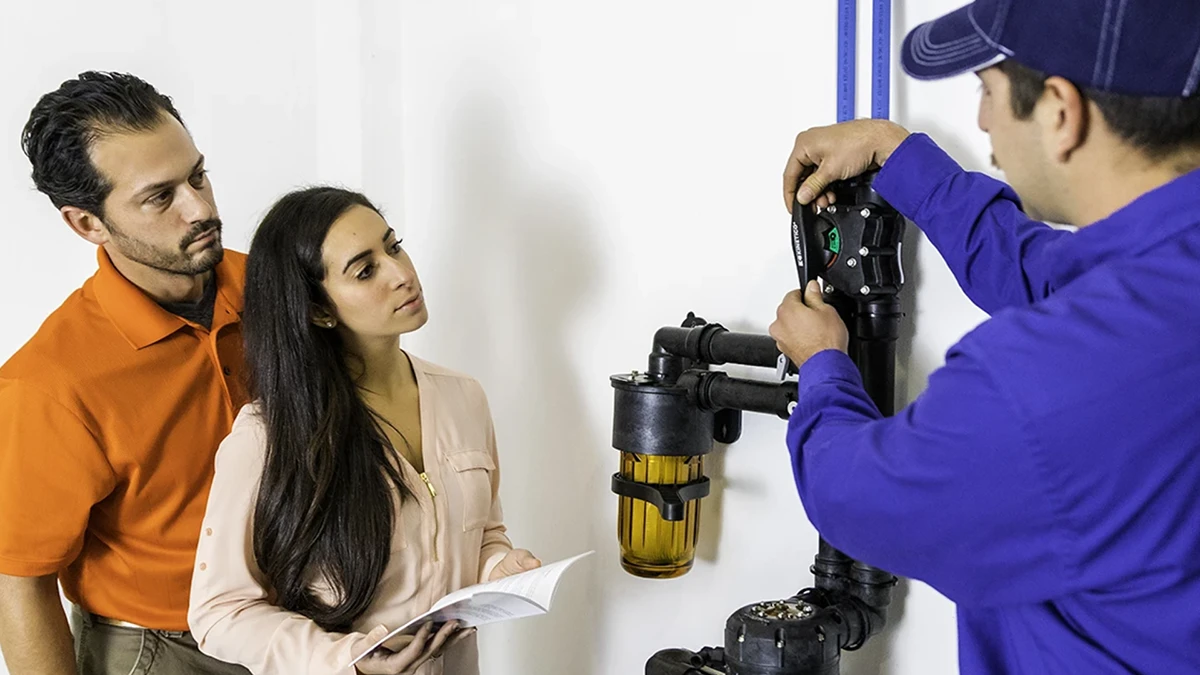
While city water is treated and monitored, taste, hardness, and chemical additives can still be concerns for homeowners, especially those sensitive to water quality. That is where Central Oregon Water Treatment comes in. Our services, like whole house water filtration helps you access good water quality for your family at every tap.

Key Differences Between Well Water vs. City Water in Central Oregon
This comparison isn’t about choosing one over the other. It’s about understanding how each water source affects quality and maintenance needs.
Feature | City Water | Well Water |
Source | Municipal reservoirs, rivers, groundwater, wells | Underground volcanic aquifers |
Treatment | Filtered and disinfected | Untreated (homeowner-managed) |
Cost | Monthly water bill | Installation, maintenance, testing |
Taste | Can have chlorine taste | Often mineral-rich, earthy taste |
Maintenance | Managed by water utility | Homeowner responsible |
Availability | Regulated, consistent | Depends on aquifer and drought |
Testing | Regularly tested by municipality | Must be tested by homeowner regularly |
Impact on Central Oregon Geology | Less direct mineral influence | Often affected by basalt, iron, manganese, sulfur |
Each system delivers water differently, which is why maintenance and treatment strategies vary depending on whether your home is on city water or a private well.
Common City Water Issues and Maintenance Needs
City water offers consistency, but it still comes with common challenges Central Oregon homeowners should understand:
1. Chemical Treatment
City water is treated with chlorine or chloramine, which some people dislike for taste or potential health concerns. Additionally, some municipalities add other chemicals that may be undesirable to certain consumers.
2. Cost Over Time
Monthly water bills can add up, especially for larger households or in areas with high water rates.
3. Possible Contamination Risks
While rare, municipal water can occasionally be contaminated due to pipe corrosion, main breaks, or treatment failures.
4. Limited Control Over Water Quality
Homeowners cannot control the taste, hardness, or mineral content of municipal water without adding filtration systems.
Helpful City Water Maintenance Tips
- Install whole-house or under-sink filters to improve taste and remove residual chemicals.
- Flush taps after water sits unused.
- Review local water quality reports annually.
Common Well Water Issues and Maintenance Needs
Well water is highly influenced by Central Oregon’s geology and surrounding land use, which makes regular testing essential. Here are some of the common well water problems:
1. Maintenance Responsibility
Homeowners are fully responsible for well upkeep, including pump maintenance, water testing, and occasional cleaning. This requires time, effort, and some technical knowledge.
2. Risk of Contamination
Without proper maintenance and testing, well water can harbor bacteria, nitrates, heavy metals, or other contaminants. Regular testing is essential to ensure safety.
3. Water Quality Can Vary
Well water quality is influenced by location, weather, and nearby land use. Hard water or high mineral content can affect appliances, plumbing, and taste. If your well water is hard or high in minerals, installing a water softener can help prevent scale buildup in pipes and appliances.
4. Initial Installation Cost
Drilling a well can be expensive, especially for deeper wells. Installation also requires permits and inspections in many areas.
5. Potential Water Shortages
During droughts or if the aquifer level drops, well water supply may be limited, making backup plans necessary.
Helpful Well Water Maintenance Tips
- Test water annually for bacteria, nitrates, and minerals.
- Inspect the wellhead and pump regularly.
- Use softeners and filtration for hardness, odor, and safety.
- Keep contamination sources away from the well.

Health and Safety Considerations
When it comes to water, taste and convenience are important, but safety should always come first. Whether your home uses city water or well water, safety starts with understanding what’s in your water.
City Water:
- Drawn from wells, reservoirs and groundwater.
- Less affected by local soil but can carry chlorine taste or minerals.
- Seasonal droughts and conservation efforts may limit usage.
Well Water:
- Strongly influenced by local aquifers, geology, and land use.
- Can naturally contain iron, manganese, or sulfur.
- Rural wells may be impacted by septic systems, agriculture, or livestock.
- Droughts can reduce water availability or change quality.
For households relying on city or well water, you can install our drinking water systems to ensure safe, great-tasting water straight from the tap.
Environmental and Regional Factors
Central Oregon’s volcanic soil, basalt formations, high-desert climate, and expanding rural development all play a role in water quality.
City Water
Municipal systems serving Bend, Redmond, and Sisters are less directly affected by volcanic minerals, but summer water restrictions and aging infrastructure remain common concerns. Whole-house filtration can help address taste and hardness issues.
Well Water
Private wells draw directly from volcanic aquifers, often contributing to iron staining, sulfur odor, and mineral buildup. Furthermore, extended drought conditions can lower groundwater levels.
Because well water is highly influenced by Central Oregon’s geology, professional well water testing is the most reliable way to identify bacteria, nitrates, iron or sulfur.

Maintenance Tips
Even the cleanest water needs a little attention to stay safe and high-quality. Here are the practical tips for keeping your water system in top shape:
For City Water
- Install filters if you dislike taste or want to remove residual chemicals.
- Flush taps if water has been stagnant for a while.
- Check local water quality reports annually.
For Well Water
- Test your water at least once a year for bacteria, nitrates, and other contaminants.
- Maintain the well pump and inspect the wellhead for damage.
- Consider installing filtration systems for taste, hardness, or safety.
- Keep potential contamination sources, like septic systems or chemicals, away from the well.
Conclusion
Well water and city water in Central Oregon are delivered in very different ways, but both require attention to water quality, testing, and proper treatment. City water benefits from centralized treatment but can have taste, hardness, and chemical concerns. Well water offers natural sourcing but depends heavily on homeowner maintenance and regular testing.
If you’re unsure about what’s in your water, schedule a free water consultation with Central Oregon Water Treatment and let our team help keep your home’s water clean, healthy, and dependable.