If you’re trying to decide between a whole house water filter vs water softener, you’re not alone. Many Central Oregon homeowners know their water isn’t perfect. Maybe they see white scale on faucets. Maybe their dishes have spots. Maybe the water tastes metallic or smells slightly earthy. But figuring out whether you need filtration, softening, or both can be confusing.
At Central Oregon Water Treatment, this is one of the most common questions we answer for homeowners across Bend, Redmond, Sisters, Prineville, La Pine, and surrounding communities.
In this guide, we break down the real differences between a whole house water filtration system and a water softener system, what problems each system solves, and how to decide which solution is right for your home.
Water Quality in Central Oregon
Water quality in Oregon varies by region. In Central Oregon specifically, the water supply is heavily influenced by volcanic geology and groundwater sources. This often results in:
- Moderate to high water hardness (calcium and magnesium)
- Iron or manganese in some well systems
- Sediment in rural properties
- Slight mineral taste
- Occasional sulfur odors in private wells
Municipal water in Bend and Redmond is generally clean and safe, but it can still contain hardness minerals and chlorine treatment byproducts.
That’s why many homeowners turn to Central Oregon Water Treatment for a professional water assessment and customized solutions.
What is a Whole House Water Filter?
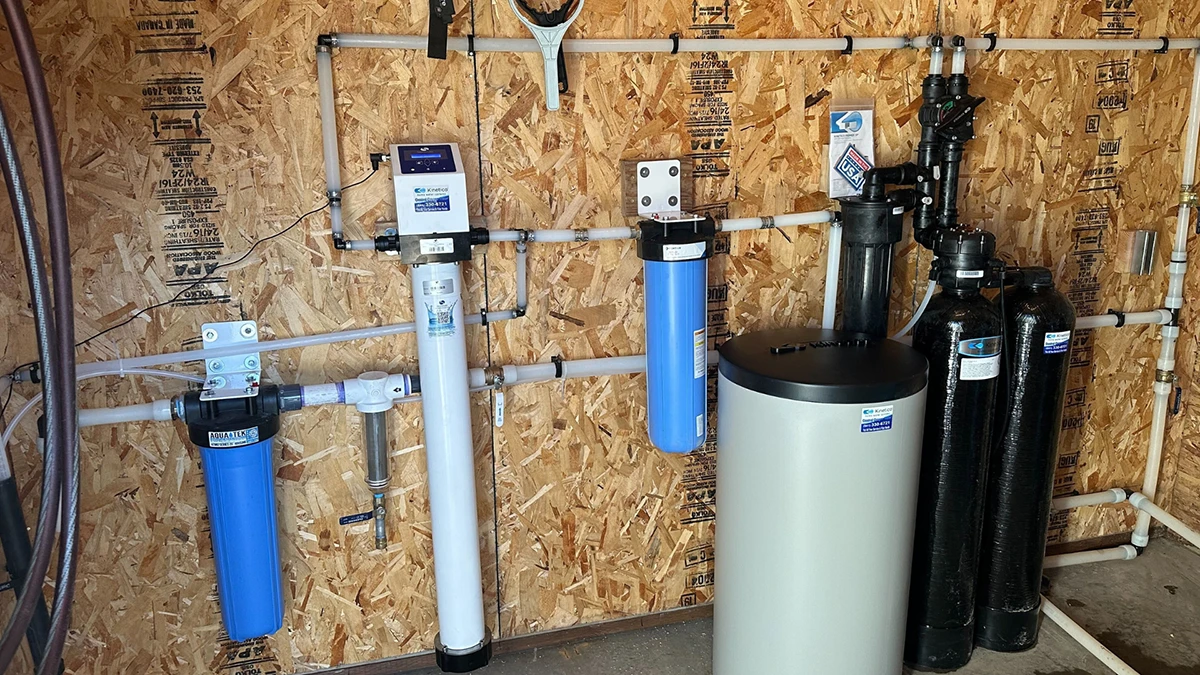
A whole house water filter (also called a point-of-entry filtration system) treats all the water entering your home before it reaches your faucets, showers, and appliances.
It is designed to improve water quality by removing:
- Sediment (sand, silt, rust)
- Chlorine
- Organic compounds
- Some metals (depending on filter type)
- Odors
- Cloudiness
It does NOT remove hardness minerals like calcium and magnesium.
How Do Whole House Water Filters Work?
Water enters your home and passes through one or more filtration stages. These may include:
- Sediment filters
- Carbon filtration
- Specialty media for iron or sulfur
- Backwashing systems for well water
At Central Oregon Water Treatment, our team provides customized water filtration system installation based on an on-site water assessment and site survey, checking your plumbing layout, available space, and potential issues like hardness, sediment, iron, chlorine, or other contaminants common in Central Oregon.
What is a Water Softener?
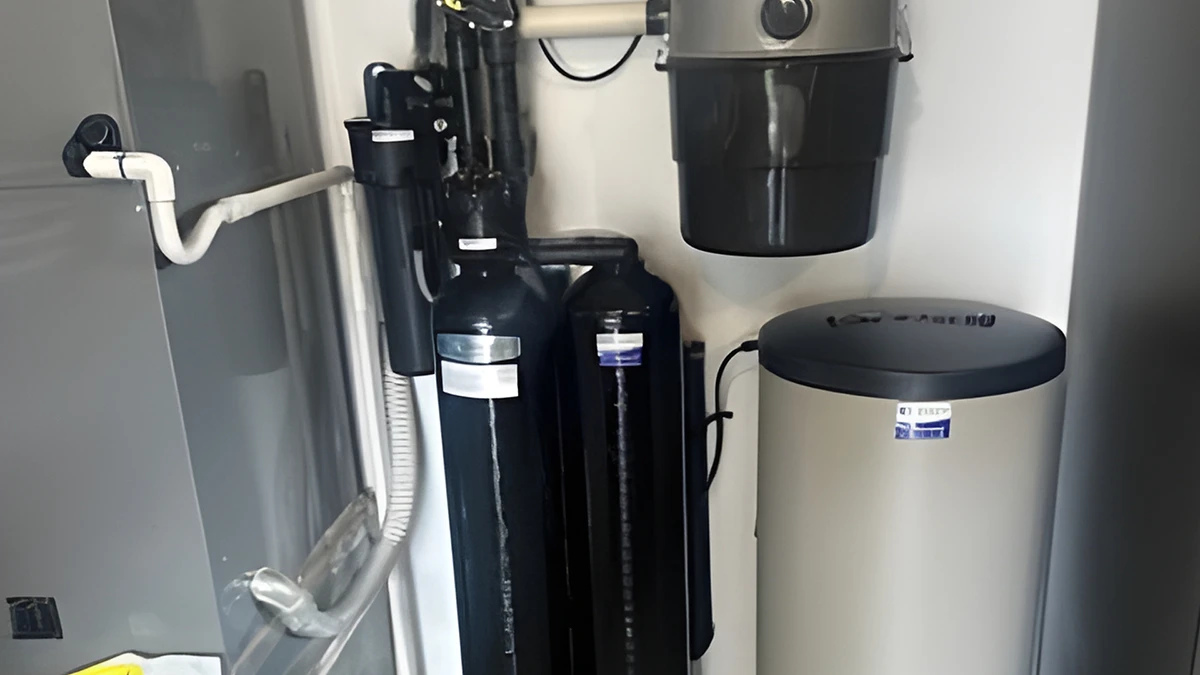
A water softener addresses one specific issue: hard water. Hard water contains high levels of calcium and magnesium. These minerals are not harmful to drink, but they cause:
- White scale buildup on faucets and showerheads
- Spots on dishes and glassware
- Reduced soap lather
- Dry skin and dull hair
- Reduced efficiency in water heaters
- Shortened lifespan of appliances
How Do Water Softeners Work?
A water softener removes calcium and magnesium ions through a process called ion exchange, replacing them with sodium or potassium ions. This:
- Reduces scale buildup
- Makes soap and detergents more effective
- Improves lather and cleaning power
- Leaves skin and hair feeling smoother
A softener does not remove sediment, chemicals, or contaminants, which is why some homes need both systems.
Cost Considerations: What Should You Expect?
System pricing depends on:
- Household size
- Water usage
- Hardness levels
- Well vs municipal water
- Installation complexity
Whole House Water Filters
Costs vary depending on whether you need:
- Basic sediment filtration
- Carbon filtration
- Iron or sulfur removal
- Multi-stage well water systems
Water Softeners
Pricing depends on:
- Grain capacity (based on hardness level)
- Household size
- Efficiency features
While upfront costs vary, many homeowners see long-term savings through:
- Reduced appliance repairs
- Lower energy bills
- Less soap and detergent usage
- Fewer plumbing service calls
If you’re unsure which system fits your home’s needs, you can discuss with our team and explore different water softener options.
Signs You May Need a Whole House Water Filtration System
You may need filtration if you notice:
- Cloudy water
- Sediment particles
- Metallic taste
- Earthy or musty odor
- Chlorine smell
- Iron staining in sinks or tubs
Well water properties in rural areas outside Bend and Redmond often require multi-stage filtration systems.
Signs You May Need a Water Softener in Central Oregon
You likely need a water softener if you notice:
- Chalky white residue on fixtures
- Soap not lathering properly
- Dishwasher spotting
- Itchy or dry skin after showers
- Scale buildup in kettles or coffee makers
- Reduced water heater efficiency
Hard water is very common in Central Oregon due to our groundwater composition. Our expert team provides professional water softener service in Central Oregon to ensure your system continues operating efficiently and protecting your home long-term.
Whole House Water Filter vs. Water Softener: Which One Should You Choose?
Here’s the simplest way to decide between water softener vs. whole house water filter:
- White scale buildup → Choose a water softener
- Bad taste or chlorine smell → Choose a whole house water filter
- Sediment or iron staining → Choose filtration
- Both scale and taste issues → You likely need both systems
The only reliable way to know is through a professional consultation and water assessment.
Conclusion
Understanding the difference between a whole house water filter and a water softener doesn’t have to be complicated. With professional assistance and expert guidance, you’ll know exactly what your Central Oregon home needs.
If you’re seeing spots, buildup, strange taste, or sediment, it’s time to act. We’ll check your water, explain your options, and recommend the right system before small problems become costly. Schedule your free water consultation with Central Oregon Water Treatment today.